AI 越聪明,它在经济里的占比可能越小
两位经济学家——DeepMind 的 Alex Imas 和 Epoch 的 Phil Trammell——讨论 AGI 时代的劳动份额、相关性部门、混乱中段
两位经济学家——DeepMind 的 Alex Imas 和 Epoch 的 Phil Trammell——讨论 AGI 时代的劳动份额、相关性部门、混乱中段 与再分配难题。他们提出一个反直觉的核心命题:AI 越聪明,它在 GDP 里的相对份额可能反而越小,因为机器经济会内部 闭环;劳动份额能否维持,取决于人类对"人在里头"的内在偏好与变种增长之间的赛跑。
为什么这一期值得听
劳动份额之谜
工业革命之后 200 年,工资仍占 GDP 60%+。是会计错觉还是真定律?
相关性部门
什么样的服务"人在里头才有价值"?这能撑起一个经济体吗?
混乱中段
AI 够聪明能裁人,但不够聪明把饼做大——这种窗口存在吗?
电力 vs 社交媒体
AI 的红利会扩散给所有用户,还是被几家平台收掉?
怎么再分配
UBI · 负所得税 · 通用基本资本——三种方案各有什么坑?
发展中国家
没钱建数据中心的国家,该再培训还是直接买指数?
这本来应该是个谜
为什么劳动份额没有崩?
工业革命以来 200 年,每个能自动化的工种都自动化了。
但全经济体里付给人工资的份额,仍然超过 60%。
"有些人甚至担心这是个会计错误,因为它太稳定了。"
David Ricardo 的悖论
1820 年
Ricardo 看着工业革命,先说"对大家都好,价格会降"——然后反转:
"等等,这些值钱的活都要被机器干掉。
人人失业、政治动荡。"
作者概括:Ricardo 对"哪些工作会被自动化"的预测——基本全对。
2026 年
所有工作都被自动化了,但雇佣率反而是史上第二高。
"What David Ricardo ended up missing is...everything that got automated became cheap, people had more money to spend on things, and then they started spending money on services."
经济学家的认知盲区
Alex 的开场暴击:我们对未来的预测能力,被严重高估。
不要做个人预测
"What I think...is that kind of forecast that economists like us would make are not necessarily very useful."
经济学家在劳动市场预测上的分歧——往任何方向都有。
没有数据可以用
"We don't have data on basically consumer demand elasticities. We don't know what they are."
O*NET 任务数据库"rarely updated, super low quality"。
反向方法:先定剧本,再问该收什么数据
剧本 A
劳动份额 → 0
写下让这事发生的经济模型。需要哪些条件?
剧本 B
劳动份额维持
什么样的"稀缺"能让人继续被付钱?
剧本 C
全员就业
相关性部门撑得起吗?需要什么样的偏好?
每个剧本都对应不同维度的稀缺性——这才告诉你该去收集哪些数据。
而我们现在连这一步都没做。
相关性部门(Relational Sector)
Alex 的定义:
"basically services and goods where the fact that the human was in the loop was actually part of the value of that product."
🎭 表演者、芭蕾舞者
☕ 咖啡师、招待
🩺 治疗师、教练(也许)
关键预设:消费者愿意为"人在里面"多付钱。
但芭蕾舞者不是好例子
Alex 自己 walk back 这个 framing:
问题:相关性部门不是"全相关"
医生的工作不是"看病人"——是填保险表、给药厂打电话、写病历……
真正只有人能做的部分,可能只占工作的 5%。
Task-based model
一个工作 = 多个任务的组合。
把 9/10 自动化掉,剩 1/10 留给人——只有当消费者愿意为这 1/10 多付钱时,那个职业才算"相关性"。
我们没有数据
要做的是 conjoint analysis:
"全机器 vs 这一步有人",你愿意多付多少?
没有这个数据,预测都是猜的。
一个实证小实验:人画的艺术品
Alex 自己跑过的研究:
独版 · 唯一艺术品
人画的 >>>>> AI 画的
人画版本的支付意愿显著更高。
印 500 份
人画的价格大幅下降——
失去"与某个人建立连接"的感觉。
AI 版本?没差。AI 一开始就被当 commodity。
作者概括:相关性溢价不只来自稀缺。它来自一种内在偏好——
对共情、连接、与"另一个人"互动的偏好。
但这种偏好对足够多的行业有效吗?这才是关键。
1400 年的蒙古经济学家会怎么说
Phil 的类比:
"If they just kind of held the varieties fixed...they might have said, well, we'll just satiate in...horse-like transportation and in yogurt and in airts, those shares will all go to zero and we'll be left spending all of our money on singers."
他会预测
非人类工作的份额 → 0
(马、奶制品全都自动化了)
歌手 → 占消费的全部
实际发生的
新品类爆炸式扩张:
飞机、手机、电网、Netflix……
歌手仍然只占可忽略份额。
品类的增长,可能比相关性溢价跑得更快。
变种增长 vs 满足效应
Phil 给出的核心数学直觉:
Alex 的情形
机器经济超快产出 → 同样东西堆积成山。
边际效用掉得比数量涨得快。
→ 钱开始流向人类相关性部门。
Phil 的情形
机器经济不断开新品类——
没到边际效用的悬崖。
→ 资本变种增长 ≠ 人类劳动份额上升。
→ 相关性多到爆,劳动份额仍可能 → 0。
"You can get all of the relational that you want, but it doesn't matter for labor share. It goes to zero." —— Alex 复述 Phil 的论点
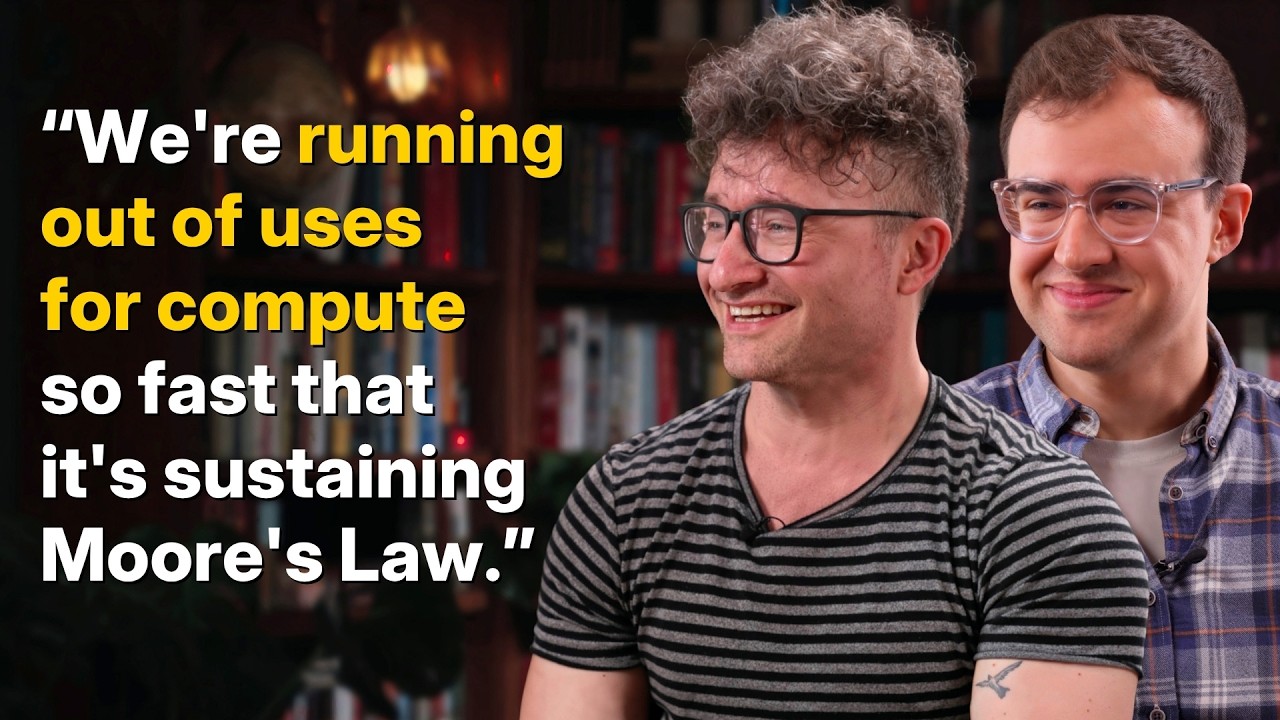
Moore 定律的悲观版本
Phil 改述:
"The pessimistic framing of Moore's law is every 18 months the value of computation halves."
我们一直跑得不够快,找不到那么多用计算的方法——
所以单位计算的价值在掉。
但 AI 来了,第一次反过来:
价值不掉了,反而涨了。
H100 悖论
H100 现在比 3 年前更贵
即便芯片更先进、世界上的算力总量更多。
原文(Dwarkesh)
"an H100 costs more to rent now than it did 3 years ago, even though we have much superior technology and we have much more compute in the world"
解释
"as models get smarter, the opportunity cost of compute gets higher."
变种增长——AI 给计算找到了一种新用途。需求曲线整个上移。
核心问题:我们能持续给算力发明新用途吗?这是决定一切的变量。
切换问题:Pareto 改进可能吗?
Dwarkesh 抛出的可能性:
AI 把活自动化了,但没有创造出足够的财富,
来补偿被自动化掉的那些人——
所以"自动化让所有人变更好"这件事不必然发生。
政治不可持续
裁掉一个 Meta 程序员(年薪 20 万)后,
你能政治上稳定地每年给他寄 20 万支票吗?
特别是还有大量底层工人挣得更少?
数学不易
公司省下的工资是真的钱。
但"省下的"≠ "饼变大了"。
如果技术前沿没扩张,重分配只是腾挪。
混乱中段(Messy Middle)
Molly 的概念:AI 强到能裁人,但弱到不能把饼做大。
替代软件工程师的资本只比工程师便宜一点点——
没有"丰盛效应",没有 Jevons paradox。
财富还是没增长多少。
财政空间被压死。
再分配根本谈不上。
Alex 的判断:可能,但窗口很窄——
"My guess is that if we have the technology to automate so many jobs, then...probably all of us will be growing really fast."
政治经济学:2% 改变一切
Andy Hall 的观察,Alex 重申:
"If there's a 2% increase in unemployment, the political winds completely change."
COVID 教给我们的事
财政响应是能很快出手的——
只要被定性为"紧急"。
但慢漏更糟
如果不是大规模失业、而是"慢慢漏"——
那像 1920–1940 电话接线员那样
在 20 年里被边缘化、被低薪化的过程,可能更难处理。
接线员的 20 年慢镜头
Alex 引用的 QJE 论文:
时间线
1920 ⇨ 1940
电话接线员全部被自动化。
但用了 20 年——
技术早就有了,
扩散慢得像一场漫长的退潮。
结局
她们被重新吸收进经济,
但:"at lower salaries, and they were mostly underemployed."
不是失业的灾难。
是 underemployment 的慢性病。
作者概括:白领"末日"如果真发生,可能不是 2027 年的雪崩,而是 2030 年代的低薪冗员。
Citrine 的悲观叙事 vs 经济学家的反驳
Citrine 假设
AI 自动化 → 大裁员 → 工资收入消失 →
消费坍塌 → 负 GDP 增长
Alex 反向工程
"What conditions do you need on the economy to get negative economic growth?"
答案:极不合理的条件。
要让经济负增长,需要:富人消费硬触顶 + 不再追加投资 + 即使 AGI 到手也不愿继续盖数据中心
("We're not like 'Let's build more data centers. Let's build more fabs.'")
Phil 读完 Alex 的回应文章:"This is pretty dumb." Alex:"Actually, that's the point of the essay" —— 这些条件本来就是不合理的。
富人的"非满足"偏好——以及它的复利
"Mark Zuckerberg is hiring MMA instructors and dancers for his wife's birthday and so forth. But most of his wealth is just stock in Meta. And he as a controlling shareholder could say 'turn all this wealth into dividend income.' But instead, he rather would have his wealth compound."
两种人
A. 资本上很快"够了"
B. 资本上永不满足——
比如 Musk:"talking about mass drivers on the moon."
选择压力
B 类型存钱率更高 → 长期占资本份额更大 →
整个经济的资本份额 ≈ 这少数人的偏好
"almost a Nick Landian preference for like accelerating capital." —— Dwarkesh
但他们都会死
Alex 的反驳:历史告诉我们消散冲击(dissipation shocks)会清零。
历史规律
工业巨头积累资本 → 临终时:
- 传给孩子(管不好钱,跑不赢经济)
- 捐给基金会(基金会会花掉)
- 建图书馆、纪念碑
财富又被打散回经济。
AGI 时代的变量
如果人能不死——
"The living forever is key."
或者信托被对齐到"持续积累"——
这条历史规律就不再成立。
作者概括:寿命延长不只是医学问题,是政治经济学问题——
它决定了资本是否会持续滚雪球。
三种再分配方案
负所得税(NIT)
✅ 立刻能落地
✅ 像保险底盘
⚠️ 还是依赖政府意愿
⚠️ 跟 UBI 同样的"被掐脖子"风险
全民基本收入(UBI)
⚠️ Alex 的担忧:
"if people are just kind of dependent on a check, it really matters who's in power."
人不再用劳动换收入 → 整个权力对位转向当权者。
通用基本资本(UBC)
✅ 你是股东而非领救济的人
✅ 产权而非政策
⚠️ "What do you target to put into people's portfolios?"
⚠️ 选错赛道 → 0 收益
David Autor 的提案变体:消费税 → 政府用税款买股票 → 把股票分给所有人。
和直接重分配股票差别不大,但叙事和政治可行性可能更好。
UBC 的硬骨头:indexing 越来越难
Phil 在博文里指出:普通家庭的资产是一栋房子——房子的价值主要是地段。
地段的价值 = 靠近其他人。
关键反讽
"a capital that is uniquely ill-suited to be complementary to the production of AI or the serving of AI or to robots."
→ 你拥有的资产——房子——偏偏是与 AI 生产链最不互补的资产。
Dwarkesh 的引申:私募回报集中化、Anthropic / OpenAI 私有化 → 普通人难以指数化 AI 经济。
那个"index fund 黄金窗口"可能已经收窄了。
已经有"白领大屠杀"了吗?
证据评估:
Budget Lab at Yale 的最新报告
"You really have to squint to see anything happening."
跨经济体、甚至看暴露最高的软件工程领域——
找不到什么。
一点信号
初级开发岗的招聘略低于趋势——
不是 level shift,
是增长稍慢。
资深 SWE 反而需求更高。
Alex 的警告:
"if you're a firm and you're not laying people off, then you're seen as not adopting AI enough."
→ 公司之间会有跟风裁员——
即使裁完反而更差也要装样子。token counter 现象类似。
O-ring 理论:为什么律师还活着
"O-ring theory refers to this fact that the Challenger shuttle blew up because there's one component that malfunctioned and it destroyed the whole thing."
短期:为什么慢
工作产品对极端可靠性敏感。
AI 大概率做对≠你愿意给它签责任。
"my company's not going to go under because..."
——这种保险,必须由人来背。
长期:方向反过来
AI 在 neuralese 中互相协调、思考快 1000x。
把人塞进 AI 生产流的交易成本反而大。
即使有比较优势,雇人也可能"配不上速度"。
弹性才是核心变量
为什么有的自动化让人受益、有的让人失业?答案是需求弹性。
高弹性 = Jevons 起作用
软件、计算:价格降 → 需求爆炸 → 总支出上升 → 雇人更多。
正是软件工程师反而还在涨的原因。
低弹性 = 总额萎缩
胰岛素、农业、石油(短期):
"you eat enough and then you're done."
价格暴跌只意味着该行业占 GDP 的份额变小。
"It is not some inherent property of markets that as it gets cheaper, you'll just keep wanting more of it." —— Dwarkesh
AI 是电力,还是社交媒体
Alex 提出的本期最关键二分:
电力模型
ComEd 提供电,但它本身没什么垄断权力。
红利沉降到了所有用电的人那里。
社媒模型
社交媒体也是人人在用。
但租金被平台收走。
("the rents went to the platform")
决定因素
开源/开放权重模型,能离前沿多近?
6 个月还是 3 年?
给 Modi 的两条建议
普遍建议(朴素)
"再培训" / "搞 AI 教育" / "在我们国家建数据中心"
但问题在于:穷国之所以穷,部分就是因为教育系统不行。
"becoming the best in the world at retraining people at using AI" 不是显然可行的路。
Alex + Phil 的答案
Buy the index.
主权基金 → 在 AI 供应链上买股权。
普通公民 → 用补贴买 AI 公司的份额。
如果 AI 是"电力模型",
S&P 500 早晚会变成 "AI-leveraged S&P 500"。
Alex:"I would prioritize trying to index, but...I definitely wouldn't just rely on that."
两条并行——但优先级要倒过来。
蛙跳的希望(Leapfrogging)
历史先例
发展中国家有时会跳过中间步骤。
"It's much more prevalent in like Nigeria than it is in...Germany or something like that. Like there everybody's doing mobile banking."
尼日利亚的移动支付普及度比德国还高——
因为他们没有"先建银行网点"的包袱。
AI 时代的蛙跳
如果 AI 是"transformative technology":
也许中等收入国家能跳过"先培养博士、再做研究"——
直接拿开源模型构建本国的 AGI 能力。
"you can get like really astronomical growth."
但 Alex 没有给概率。
商品化的两难
Dwarkesh 的希望:"This actually makes me hope even more...that the labs do get commoditized. Or at the very least they go public as soon as possible." → AI 红利像电气化那样"难以被某一家公司锁住"。
商品化的好处
✅ 红利广泛分配
✅ 没有一家公司"太大不能倒"
✅ 政治打击面更难锁定(参考:Defense Production Act 针对 Anthropic)
Phil 的提醒
⚠️ 安全角度:你可能反而希望前沿玩家少一点
⚠️ 这样领先者有缓冲,敢慢下来把模型做安全
⚠️ "the tech race dynamic"
"You could just have a relatively big gap, but it's a public company ownership and it's widely distributed." —— Phil 的折中方案
没有反电力的人
最后的 vibe:
"There's no anti-electricity people out there."
Dwarkesh:"I mean electricity doesn't take your job, but..." → Alex:"it takes some people's jobs."
为什么 AI 没有形成同样的"普惠叙事":
"narratives matter and there's this really negative narrative around AI right now, but that's because people are not putting out the positive narrative." —— 不存在的乌托邦永远比丢失的工作更难讲述。
核心金句
"We need a Manhattan project for data." —— Alex,关于经济学界缺乏弹性数据
"Every 18 months the value of computation halves." —— Phil,Moore 定律的悲观读法
"If there's a 2% increase in unemployment, the political winds completely change." —— Alex 引述 Andy Hall
"You can get all of the relational that you want, but it doesn't matter for labor share. It goes to zero." —— Alex 复述 Phil
"Is AI going to be like electricity or social media?" —— Alex,本期最重要的二分
"Nigeria just needs to buy the index." —— Alex,对发展中国家的策略
"There's no anti-electricity people out there." —— Alex,为什么 AI 需要被商品化
AI 越聪明,它在经济里的占比可能越小
"It is helpful to know what the relevant — at least what is the first branch
along all these important dimensions."
—— Dwarkesh 的结语