Omnigent
AI Agent 的组合、控制与协作
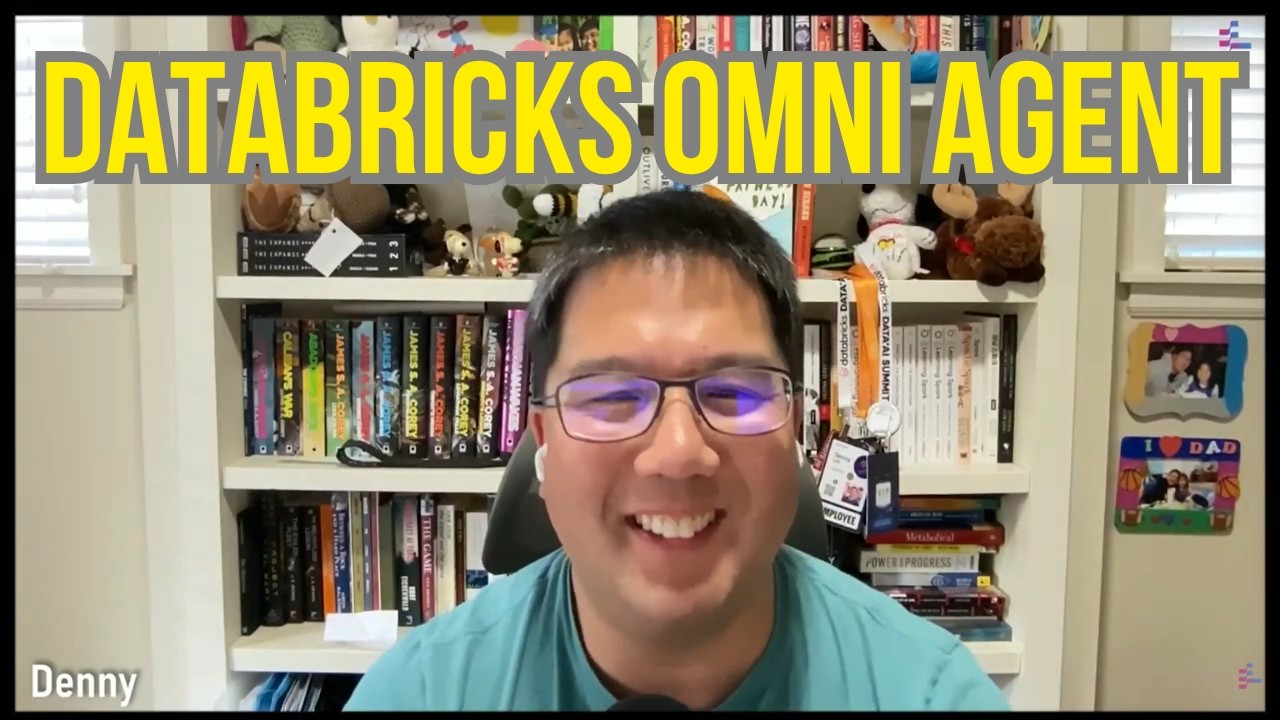
Denny Lee 以台湾抹茶研究为入口,解释 Agent 辩论、会话分叉与共享执行如何改变个人和团队的工作流。 对谈进一步拆解 Omnigent 的 meta-harness 思路:让模型与 harness 可替换,同时统一管理上下文、策略、预算、协作、评估与持久状态。
为什么这一期值得看
组合 Composition
模型与 harness 都在快速变化;上下文、记忆与配置必须能跨系统迁移。
控制 Control
审批、命令策略、预算与模型选择,不该只藏在提示词里。
协作 Collaboration
团队成员不只看结果,还能接手同一会话、补问题并继续运行。
Agent 研究法
让两个 Agent 互相辩论,发现自己原本不知道该问的问题。
Tokenomics
成本可见性正在从中央团队下沉到每一位开发者。
状态回归
Agent 需要便宜、可靠、可持久化的状态,数据库重新站到舞台中央。
故事从一片抹茶叶开始
一个真实目标
Denny 想研究台湾南投能否种出高质量抹茶:海拔、土壤酸碱度、茶叶氧化速度、蒸制与干燥基础设施,都需要进入判断。
两个 Agent 的角色
一个提出地区与供应链判断,另一个持续质疑;讨论不是决定做不做,而是提前看清会撞上多厚的墙。
“It also introduces a way for us to rediscover things that we forgot”
辩论的价值:暴露未知问题
单 Agent 往往沿着首个答案继续补全;双 Agent 辩论把隐含假设变成可见冲突。
输入:目标、个人偏好、历史研究、技能与记忆。
交锋:地区、工艺、供应链与风险逐项反驳。
输出:不只是答案,而是一组更好的下一步问题。
Fork:聊天界面缺失的基本动作
研究途中,Denny 想同时追踪日本、韩国的产区经验,又不想污染南投主线。Fork 让两个分支继承相同起点,然后各自深入。
“Omni has the ability for me to fork.”
这不是复制一段文字,而是复制当时的上下文、记忆与决策位置。
Fork 解决的是注意力污染
单线聊天
- 临时问题挤进主任务
- 每次追问都改变后续上下文
- 回来时很难记得最初为什么提问
- 多个终端与浏览器窗口进一步割裂线索
可分叉会话
- 保留共同起点
- 旁支可以无限深入
- 主线继续服务原始决策
- 每条线都能独立保存、分享与继续运行
作者概括:Fork 把研究中的脚注,升级为第一等的交互对象。
人能直接管理多少 Agent?
Denny 把 Agent 类比为需要管理的初级开发者,并借用军事组织与两张披萨团队的跨度经验:直接线程一多,人就会丢失理由、状态与依赖。
“Once you go with seven, you're losing track of everything”
问题不是模型能不能并行,而是人类管理者能否保持全局心智模型。
Fleet 自治之前,先解决可观察性
看得见
每个 Agent 当前在做什么、用了哪些上下文、花了多少成本。
管得住
命令、预算、审批与失败重试可以在统一层施加策略。
接得上
会话能分叉、移交、共享;模型或 harness 更换后,工作不必归零。
研究 Agent fleet 是否能自我管理很重要;但在那之前,团队先需要一个不会随着供应商变化而消失的控制面。
Meta-harness:稳定层放在哪里
模型会变,模型厂商自带的 inner harness 会变,开发者选择的 outer harness 也会变。Omnigent 把可迁移资产放在更上层。
“I don't want to rebuild it”
“whatever harness you're using, whatever model you're using, it'll flow through”
抽象不是抹平差异
错误理解
所有模型与 harness 都被压成最低公分母;各家的审批、工具调用与配置差异被假装不存在。
Omnigent 的方向
在统一控制面下,为不同集成保留其擅长的行为;代码和配置层都显式处理差异。
开源的意义也在这里:模型与 harness 的创建者可以直接指出集成误差,补上项目团队尚未掌握的细节。
三个能力,不是一句口号
Composition
组合不同模型与 harness;携带上下文、记忆、配置与任务历史。
Control
把命令审批、预算、策略与模型路由放到可检查的控制面。
Collaboration
共享完整会话;同事可以继续运行、补测试、追问遗漏条件。
组合:按任务选择模型与 harness
初始构建
复杂代码与高风险决策可以交给能力更强的模型,并让另一个模型负责挑战方案。
后续维护
模板明确、变更简单、测试机械化时,便宜模型往往足够,也更少把简单任务做复杂。
“try to find the right model or the right harness for the job.”
Benchmark 不能替代真实工作负载
实验室排名
给出统一题目上的能力信号,便于大规模比较;但很难覆盖特定代码库、团队规范与集成约束。
真实场景
同一组织、甚至同一团队里的不同任务,可能适合完全不同的模型与 harness。
“the real world scenarios often do not match benchmarks.”
控制:策略不只用于安全
命令边界
危险或影响外部环境的 shell 操作,需要明确批准。
预算边界
单次运行超过设定金额或 token 规模时,先停下申请批准。
模型边界
根据任务复杂度、成本与可用性选择允许的模型集合。
组织边界
开发者保留操作空间,中央团队仍能看到整体风险与支出。
协作:共享的不是一份截图
Omnigent 把会话做成接近协作文档的界面。接收者不仅能阅读结果,还能在原会话上继续执行。
“you're actually sharing the workload together”
团队负责人可以追问遗漏条件、运行额外测试;上下文与执行能力一起被移交。
人类仍然拥有最终责任
开源社区讨论 created by 与 assisted by 时,核心不是署名格式,而是谁为提交的代码负责。
Agent 提供
实现、测试、反驳、替代方案、依赖分析与执行记录。
人类承担
选择问题、提供上下文、接受结果、提交变更,以及成功或失败的后果。
“The onus has to be on me alone”
零样本失败,通常先检查输入
没有上下文
Agent 不知道代码库、业务目标、质量边界与历史决策。
没有思考结构
没有辩论、验证、重试或升级路径,一次输出就被当成最终答案。
没有责任闭环
人类把生成交给 Agent,却没有定义什么算好,也没有检查结果。
“there's only so much context you can compress before the thing blows up”
Tokenomics 正在重演 CapEx → OpEx
云时代把基础设施成本从中央采购推向开发团队:写代码的人开始理解自己启动了什么资源、花了多少钱。
Agent 时代重复同一动作:token 支出需要在使用点可见,但不能放弃组织级治理。
关键变化:成本管理从事后财务报表,进入每一次 Agent 运行的即时决策。
可见支出,不等于压低支出
浪费
简单改名仍调用最强模型;无效循环持续烧 token;同一低价值问题被重复追问。
投资
复杂重构、关键测试或高价值研究消耗很高,但产出足以覆盖成本。
真正困难的问题是价值归因:同样的消耗,对不同工程师、不同任务可能分别是有效投资与纯粹浪费。
因此需要两层视角:个人看到本次决策,组织看到跨团队分布与长期模式。
为什么开发者总会选更大的模型
不确定性
不知道任务中途会不会突然需要更强推理。
时间成本
从小模型逐级失败,比一开始多花钱更令人厌烦。
费用错觉
单次只多一点,累计后才变成数额可观的团队支出。
手动下拉框只是提供选择,不会自动改变默认行为。真正的控制面要减少选择负担,并保留可解释的升级路径。
自动路由:先选便宜的,再允许升级
Denny 提到,任务复杂度判断未必需要再调用一个 LLM;传统机器学习可能更便宜、更快,也足以支持路由。
“we're going to switch to Model X”
- 运行前说明选择了什么模型、为什么
- 结果未通过评估时,自动升级到更强模型
- 把成本优化从开发者的手动判断变成系统能力
辩论、循环与 Eval 是一套系统
Debate
另一个 Agent 主动找反例、遗漏与错误假设。
Loop
未达标就重试、补上下文或切换模型,而不是把失败直接交给人。
Eval
把什么算好变成可计算或至少可检查的判据。
“you can walk away, let the two agents fight each other out”
当模型都足够好,差异转移到系统层
只问模型能力
哪个排行榜更高?哪个参数更多?哪个是最新版本?
开始问系统能力
数据是否充分?上下文是否准确?配置是否可迁移?循环、评估与失败升级是否存在?
“the big thing is did I set up the correct loops”
Agent 的最后一层,仍然是数据库
模型与 harness 可以热切换,但上下文、记忆、配置、历史与权限必须保持连续。可移植 Agent 的底座因此是便宜、可信、持久的状态层。
“that is an old-fashioned business database problem that we've been doing since the 60s”
核心金句
“Omni has the ability for me to fork.”
“I don't want to rebuild it”
“try to find the right model or the right harness for the job.”
“the real world scenarios often do not match benchmarks.”
“The onus has to be on me alone”
“you're actually sharing the workload together”
“you can walk away, let the two agents fight each other out”
“the big thing is did I set up the correct loops”
“The best thing is a database.”
当 Agent 进入真实团队,最重要的不再只是模型能力,
而是能否组合、控制、协作,并在变化中保住状态。