Inventing the Renaissance
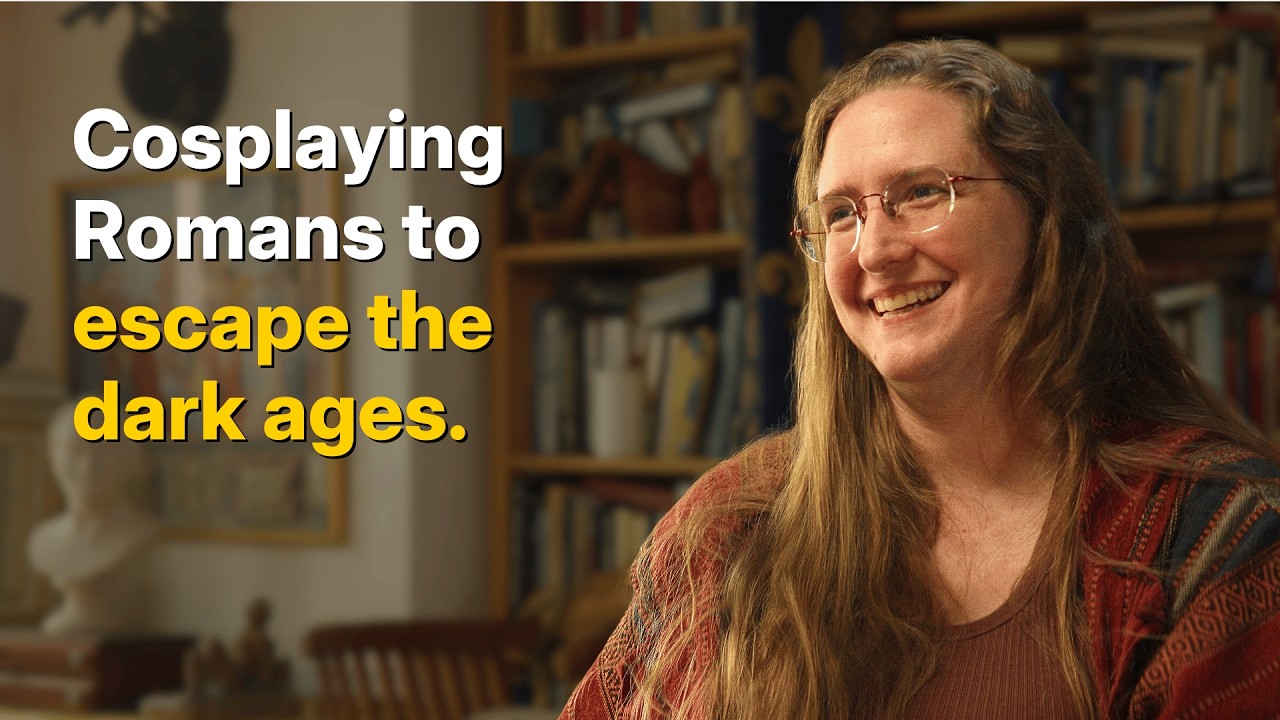
Ada Palmer 把《Inventing the Renaissance》里的核心故事铺开: Petrarch 从黑死病
Ada Palmer 把《Inventing the Renaissance》里的核心故事铺开: Petrarch 从黑死病 里走出, 喊出 "this is an age of ash and shadow", 开启一个 200 年的代际接力—— "as long as from Yuri Gagarin's space flight back to Na…
为什么这期值得听
一个 200 年的长尾
Petrarch 到 Machiavelli 到 Bacon —— "as long as from Yuri Gagarin's space flight back to Napoleon". 文艺复兴是一个 200 年的代际接力,不是一个瞬间。
Florence 的怪政府
"kill the nobles, salt the earth" → 商人治城 → 九个人被锁在塔里两个月一轮。比民主还偏执的反暴政设计。
Leonardo 不是 scientist
他把发明写在镜像字里,不给徒弟看。Brunelleschi 烧掉穹顶的图纸。这是发明家,不是"人类进步的仆人"——是saboteur。
Gutenberg 破产
印了 300 本 Bible,卖掉 7 本,剩下 293 本压在手里。把整个印刷革命变成经济可行的,是Venice 的中转港口 + 书展。
go my way ≠ go well
Petrarch 想要的未来一样没实现。他造出来的却是democracy + germ theory。这对 AI 时代的人很有用。
每个时代都审错书
1540 年教廷把 Machiavelli 排在小写里。18 世纪 Paris 偷偷把百科全书从火堆里抽出来,换成 Jansenist 小册子烧掉。
起点: Petrarch's "age of ash and shadow"
时间:14 世纪中期。
Petrarch 活过黑死病。朋友们几乎全死光。两个年轻学者活下来,写信说要来看他——
- 路上遇到 bandits
- 一个被杀
- 另一个受伤迷失在山里
- 一年半后 Petrarch 才知道他还活着
"this is an age of ash and shadow."
诊断:问题是领袖。
"Our leaders are selfish. Our leaders care more about their wealth and their family honor and their power than they do about the people."
类比:想想《Romeo and Juliet》。Lord Montague 和 Capulet 为了私仇,让孩子在街上砍人——"their feud is harming the city of Verona and they don't care."
对比古罗马的 Brutus(第一任执政官)。发现儿子要夺政,把儿子当叛国罪处死。"Can you imagine Lord Montague wanting to execute Romeo for treason against Verona? He would never do that."
那个时代的方案: "让我们培养小 Brutus"
Petrarch 的设想链条 ——
Step 1
古罗马的领袖像 Brutus, 我们的领袖不是。
Step 2
他们是怎么养出来的?读 Plato,读 Homer,读 Cicero。
Step 3
所以我们要重建那个图书馆。 派人去 Constantinople 买手稿,翻越阿尔卑斯找残本。
Step 4
培养像 Marsilio Ficino 这种精通希腊/拉丁语的导师,让他们围绕欧洲的王子公主, 把这些价值观渗透给下一代。
底层假设:education 是一种 osmosis —— "if you're exposed to something you'll imitate it".
这个假设后来会被证明是错的。但它撬动了一切。
Florence 是"extra scummy merchant scum"
Florence 的公开形象
- sodomy capital of Europe
- "to Florentine" 在法语/德语里是 anal sex 的动词
- 法国法律: 你一生中只要进过 Florence 一次, 就足以被起诉为 sodomy
Medici 自己的自评
"we are merchant scum. We are dirt compared to everybody around us. We're not even one of the important families of Florence. We're extra scummy merchant scum."
Florence 的挑战
整个欧洲都由贵族血统统治。
Florence 连一个贵族都杀光了(稍后会讲)。
在其他国家眼里,Florence 的元首"rank of their valet"——和一个贵族的管家一个等级。
所以:Florence 需要伪装成古罗马。 不是为了骗自己,是为了让欧洲的贵族愿意跟他们签条约。
场景: 法国大使进入 Florence (一)
你心里想: "there's nobody there worth talking to because it's just a pit of scum and villain." 反正路过一下.
入城: 街头雕像像古代的. "the kind that are so lifelike that it's as if they're about to breathe and move." —— "that isn't something we know how to do."
大教堂: 一个巨型圆顶. 比你见过的任何东西都大——除了罗马废墟.
银行家的门口: 一个衣着朴素的男人谦卑地开门, 道歉说他的 "humble palace is not worthy to host your excellency". 你想: yeah, it's not.
场景: 法国大使进入 Florence (二)
你跨进门——
- 一个白色光线洒进来的圆形中庭,"feels more clean and outdoors than the outdoors did"
- 中间一尊崭新、闪光的青铜像,还没发绿
- 四周罗马皇帝胸像排成一圈
- 角落里几个穿罗马式长袍的人——"they're Platonists. They're speaking ancient Greek."
- 主人介绍他 10 岁的孙子 Lorenzo:"He's just written a poem in ancient Greek about the three parts of the soul. Would you like to hear him recite it?"
"None of this is possible. None of this has existed for a thousand years."
就是这一刻, Cosimo de' Medici 转过头: "Would you like to make an alliance with Florence?"
"The power dynamic just flipped upside down. And suddenly the condescending nobleman is in awe of the merchant scum."
—— 这就是艺术和文化作为propagandistic tool 的用法。
但 Petrarch 的 Plan 失败了
第一代被这么培养的王子们应该成为哲学家之王。
实际上得到的是:
Cesare and Lucrezia Borgia
- 都有拉丁语、希腊语
- 小时候都读 Cicero 和 Plato
- 长大后 Valentino (Cesare) "sets fire to half the world"
对比虔诚派:
Guidobaldo da Montefeltro
- "does every single thing you're supposed to do virtuously"
- 读遍所有柏拉图
- 建了所有的图书馆
- 被背叛,城被夺走,一无所有
Machiavelli 看着这一切长大。他也是 Petrarchan 项目的产物。他热爱这些经典——但他的结论是: Petrarch 错了。读 Cicero 不能造出 Caesar.
Machiavelli 的转向: history as a case book
Petrarch 的方法是 osmosis:读关于好人的书,你就会变好。
Machiavelli 的方法是 case-based reasoning ——
"We say, 'Okay, here are five examples of battles that happened next to rivers. We'll put those examples side by side and see what decisions the commanders made to try to figure out which one worked better.'"
作者概括:这就是political science 的原型——不是读好人的故事,而是把历史当案例数据库。
"We use history as a case book of examples of what worked and what didn't... instead of feeling that reading about good men will make us good."
这是为什么 Machiavelli 被同时代人称为historian ——他是把古人当数据用,不是当镜子用。
(这个方法需要很久才流行。他同代很多人继续 Petrarch 的 osmosis 套路。)
200 年的接力
Petrarch 的第一声呼唤 → Machiavelli 写《Prince》,
"as long as from Yuri Gagarin's space flight back to Napoleon".
1340s — Petrarch: "find the ancients"
1400s — 图书馆建起来, 但王子们变成 Borgia
1513 — Machiavelli: 用历史做 case book
1450-1600 — 印刷 + 翻译 + 脚注, 渗透到 30,000 医学生
1620s — Bacon / Galileo: 用自然做 case book
go my way ≠ go well
Dwarkesh: 很多人想"我来让 AI 按我想的方向走"——历史上没人能做到。
Ada 的回应:关键区分是 "go my way" vs "go well".
Petrarch wanted: 基督教复兴、贵族寡头、古典价值观。
He got: 民主 (他会厌恶)、世俗科学、germ theory、治愈黑死病。
"He did not create a world that went as he wanted but he created a world that went well."
给他看这个未来 —— he would be horrified by democracy, but he would "weep for joy" seeing the black death cured.
火车发明了女权
火车 + 自行车
被发明的时候,女性 (和劳动者) 第一次能自由、独立地移动、组织、动员。
结果
Suffragettes 运动、第一波女性主义。
"Did the inventor of the train intend for there to be women's liberation? No. Did it go the way he imagined? No. Did it go well? Yes."
作者概括: 这是对 "AI-X-risk 必须按我的价值观走" 一个温和但深的反驳——历史上最好的转折, 都不是任何发明者想象的那个.
Florence 的 "kill the nobles" 时刻
问题:所有其他 Italian republic ——Venice, Genoa, Bologna, Siena—— 都是 oligarchic republic. 贵族家族垄断 senate.
共和国最大的威胁:贵族阶级的军人发起政变。
Florence 遭遇了一次 near miss, 然后:
"massacred most of them and cut their heads off and put them on pikes and burned their houses down and rigged salt into the earth and had a party on their graves"
剩下的少数贵族 ——被允许正式 "renounce nobility", 改名, 降为平民.
结果:一个 merchant guild 治理 的共和国。Senate 由工坊主、建筑公司头、雕塑行会头组成——拥有生产资料的平民.
副作用:Florence 没有人有"贵族血统"去和外国君主谈判——所以才需要那个文化伪装的大使游戏。
九个人被锁在塔里
Florence 的立法机关怎么选?Sortition (抽签):
所有 guild members 的名字放进袋子; 筛选: 不能病重、疯、欠税
抽出 9 个, 放进塔里—— 锁起来 2~3 个月
出塔不可以——怕被贿赂或被绑架
任期满, 放出来, 再抽 9 个新的
决策不是投票, 是 consensus ——要 9 个全同意
"the popolo" 其实是 top 4%
19 世纪翻译 Machiavelli 时,看到他反复谈 "popolo" ("the people")——
- "the popolo are respected"
- "the popolo have a voice"
- "the popolo are armed"
19 世纪翻译家: "This feels like documents of the founding of the US where we're respecting and arming and trusting the people."
但"popolo" 在 Machiavelli 那个语境里是:
"the top 4% economically of the population, the members of the merchant guilds."
但即使如此, Florence 人为这个多了一寸的自由真的会上街 ——"wave their banners and say libertas".
为什么重要:他们拼命捍卫这点点自由,结果最后共和国失败了,但继任的 tyrant 不敢像邻邦 Ferrara 那种为所欲为。
Medici = 教廷的银行家
他们的核心合同
当教皇的 papal banker ——
- 欧洲所有教堂的捐款、朝圣者的金币
- "all of the wealth that's supposed to flow back to the papacy is actually flowing to Cosmo"
- Cosimo 抽一层再转给教廷
这不是只有 float
- 巨大的 money-flow
- 巨大的合同权力
- 巨大的联络网
- 现代"networking is important" 的祖宗版
然后用这钱去操纵抽签
Cosimo 雇了全城三分之一的人。
- 9 个名字抽出来,3 个大概率是他的人
- 告诉"我的人":遇到事问我
- plurality on a non-majority council = 控制
"It's dangerous to be rich and not powerful" —— Cosimo 的名言。
Cosimo 的 "$300,000 蠢守卫"
1432 的抽签事故
抽出来的 9 个恰好全是 Cosimo 的反对派.
- 立即宣布他叛国
- 关进塔里
贿赂出狱
- 给守卫 $300,000 等价物
- 给守卫队长 $700,000
- 翻墙出城
"they were the two most foolish men he'd ever met because he was Cosimo. He would happily have paid them tens of millions of dollars to let him out of there."
下一次抽签
"by gum" 抽到一堆爱 Cosimo 的人。他凯旋归来。
获封
"father of the fatherland" (pater patriae)——然后开始不再只是操纵 plurality,而是直接贿赂抽签官。
Machiavelli 的不可能的忠诚
他被流放的剧本
通常 Florence 把流放变成隐形外交官——派你去 Bruges, 去 London, 去做城邦的"不挂名代表", 表现好就能回来.
对 Machiavelli 的版本
"demachavelli sit in the country and rot and if you're good we'll invite you back."
他被流放到 Tuscany 乡下一个小村。
所有人都预期
他会跑掉——去罗马、米兰、那不勒斯、英格兰当"intellectual power broker" (Dante 走的那条路)。
他没有。他在乡下老老实实 rot.
他写《Prince》的收件人
流放他的那个家族本身 ——Medici.
"it's a job application. Please bring me back."
"I will serve you or nothing."
Ada 的解读
《Prince》里一切肮脏手段的前提: "the end is the survival of your country". Regime change → civil war → "streets run with blood".
"life under a tyrant" 对他来说仍优于 civil war.
Resistance wins even when it loses
Florence 的共和国最终还是陷落了,Medici 成了公爵。
但奇怪的事发生了——
Vasari Corridor 绕开那座塔
Duke 要从旧宫连到新宫, 建一条架空走廊—— 挨家挨户炸掉二楼顶.
大多数人:"yes, your grace"——因为抵抗者的人头还在广场插着.
例外: Minerbetti 家族的 500 年老塔.
他们说"no". Duke 退让了。走廊绕了一个奇怪的方形弯.
对比河对岸的 Ferrara
Duke Alfonso d'Este "used to wander around Ferrara buck naked with a sword in one hand and his dick in the other" 来炫耀没人敢动他。
他和兄弟姐妹互相杀对方的仆人娱乐。
"even when resistance loses, resistance wins."
Leonardo da Vinci was NOT a scientist
"Leonardo da Vinci was not a scientist."
证据
Leonardo 把他的发现全写在 coded mirror writing 里, "so that nobody but him can possibly use it". 他拒绝和学生、助手分享方法。
Brunelleschi 的穹顶
Florence 的那个大穹顶—— "deliberately burned all of his notes and schematics so that nobody else would be able to replicate his work".
"This is not a servant of human progress. This is actually a saboteur of human progress."
Bacon 的三种虫子
1620 年前后,Bacon 的"scientist"定义——用三个动物说清楚:
🐜 ant — encyclopedist. 搜集所有信息,堆成蚁冢. 谁的蚁冢最大谁牛逼. 但只是 possess, 没输出.
🕷 spider — system weaver. 从自己身体里吐丝, 编出美丽的逻辑网—— "nothing real in them. They're all just spun out of the body of the spider himself."
🐝 honeybee — "gathering from among the fruits of nature, processes what he gathers through the organ of his own being to produce something which is sweet and useful for humankind."
只有 bee 是科学家。必须发表、分享, 整个 species 前进一点。
做科学家是 "the ultimate act of charity"
"to be a scientist is the ultimate act of charity because there is no greater act of charity than to give a gift to every human who will ever live after you."
要求
publish your results → community 可以 test
落地
English Academy of Sciences (以 Bacon 的肖像做扉页) 成立。
承诺
每一代人的生存条件都比上一代好: 更好的农业、更少的饥荒、"refrigeration, chicken in winter".
作者概括: 从 "mirror-writing Leonardo" 到 "publish or perish" 的 Bacon, 这 100 多年里对"发明者"的定义变了——不再是留下谜题让后人敬畏, 而是赠与所有后人一份礼物.
你写在什么东西上
一本 medieval 手抄本比一栋 studio 公寓还贵——为什么?
papyrus (纸草) = 一颗生菜的价格. 简单、廉价. 但 "cannot grow it north of the frost line"——西欧用不上.
parchment (羊皮纸) = "writing on a dead sheep". 一页书 ≈ 一件皮夹克.
→ 一本小口袋书 = 一套 studio condo
paper (破布做) = 在皮夹克和生菜之间——"a dozen frozen prepackaged meals".
纸 800 AD 传入欧洲, 要 400 年才被信任到能写国家文件.
Univ. of Paris 图书馆 = 600 本. 同时期中东苏丹的图书馆 5000+.
消失的古代, 是因为 papyrus 脆
最大的损失不是 Alexandria 图书馆的火. 是更慢的那种:
4-6 世纪
罗马的 papyrus 书在一本本脆裂掉.
你的修道院有 1000 本书。只能负担重抄 100 本——
"which hundred of these thousand do we save because there literally is not enough industry on your continent to make enough leather."
挑选的人是 monk
"I know St. Augustine. I love St. Augustine."
→ 我们现在有的 St. Augustine 作品比全部异教拉丁经典加起来还多.
这不是"审查"——是审美偏好在脆裂的 papyrus 之前偶然变成了审查.
paper 要到 800 AD 才进欧洲. 那期间是 400 年的"cheap writing surface 饥荒"——失去的古代知识, 大多死在这段时期.
Gutenberg 破产了
问题不在技术。印刷 300 本书的成本已经压到单本手抄的价位。
问题在分销:
- 1450 年的欧洲没有 mass-produced 商品的销售网络
- 除了金币,几乎一切都是手工定制的
- 你发明了 ebook 技术, 但 1970 年代没有 Kindle 市场
- Gutenberg 印了 300 本 Bible——
"You sell seven of them to the seven people in your small landlocked German town who are legally allowed to read the Bible... Congratulations, Mr. Gutenberg. you have 293 Bibles and you can't sell them and you go bankrupt."
- Gutenberg 借 ≈ $1.5M 等价物买纸, 收不回来
- 银行 没收印刷机、想继续做, 银行也破产
- Gutenberg 的学徒 印过, 也破产, 逃债→ 逃到意大利
Venice 拯救了印刷术
关键洞察:
"Venice is the airport hub of the Mediterranean."
地中海的航线都在 Venice 换船。
所以在 Venice 印书: 印 300 本, 给30 艘船长各 10 本, 每个船长都带去不同城市卖。
然后是 book fair
一年只印一本书, 带 1000 份去书展 ——换回 200 种书各 5 本 回家卖.
Frankfurt 书展 (至今仍在) 就是这样诞生的.
为什么这样重要
印刷不是 "一项发明", 它是 一系列经济可行性的累积——
- 1450: 技术 OK, 但卖不掉
- 1490s: 开始赚钱
- 1500s: pamphlet 出现——两天印完的八卦小册子, 让印刷店同时印长书的间隙赚周转现金
有名的 pamphlet 标题 (Ada 的最爱):
"the scandalous tale of a doctor from Padua and how he seduced his maid, murdered his wife, murdered the maid, cut out her heart, and ate it, and how he was justly punished by God."
一次革命, 多次浪潮
Ada: 电脑/PC/互联网/手机不是多次革命, 是一次计算机革命的连续应用。印刷也一样:
1450 书 → 40 年才经济可行
1490s hub + 书展 → 分销网络到位
1517 pamphlet → Luther "in print in London in 17 days"
newspaper → 连续刊号 = 声誉 = fact-check
1731 magazine → 核对多家 newspaper
每个时代都审错书
Ada 的下一本书是关于审查史. 一个反复出现的现象:
18 世纪 Paris, 教廷命令烧掉 Encyclopédie
Diderot 和 d'Holbach 的"所有知识汇编"——国王喜欢, 王后喜欢, 法国举国喜欢. (她甚至查过里面关于自己丝袜制作工艺的词条.)
仪式上他们装作要烧——然后偷偷把一堆 Jansenist 关于三位一体的小册子扔进火里代替. Encyclopédie 活了下来.
Machiavelli 没进教廷的"大写 arch-heretics"
1545 年的 Index 说 "arch-heretics 会用大写". 全是小型新教神学家——Calvin, Zwingli, Luther, Melanchthon. Machiavelli 在"小写"里.
作者概括:如果你有时间机器回到 Paris 启蒙时期, 你会告诉 Inquisition: "guys, Voltaire. Rousseau. Encyclopédie." 他们会说 "no, Jansenism" —— 每个时代都在为一件小事瞪大眼, 无视正在身边发生的巨变.
Inquisition 发明了 peer review
Galileo 事件之后
Inquisition 把自己当作"truth 的担保者".
他们的逻辑:
- 我们的工作是决定哪些书该禁
- 科学书在说实验结果
- 要判断真假, 我们必须重复那些实验
- 建立自己的实验室
- 设立重复、验证、质疑流程
"the Inquisition invented peer review."
同一批人
白天是教廷审查官, 晚上写自己的科学论文, 跑自己的实验.
Ada 补充: "It's not what we expect. But history is never what we expect."
17 世纪后期最庞大的实验室是哪里?Vatican 的——由审查官操作. 研究者 Daniela Mulia 的博士论文.
为什么 Italy 没有工业革命
Dwarkesh 的问题: Venice 印刷爆炸 → 带动精密冶金 (活字)、机械钟、磨坊技术…… 为什么工业革命没在意大利发生?
Ada 的答案
因为 Italy 不需要.
Italy 已经是 "the center of big finance, big wool, and big oil"——
- big finance = Medici-style banking
- big wool = 进口英国粗羊毛 + 加工
- big oil = 橄榄油 = fuel + 工业用油 + 食用油
England 的粗羊毛笑话
"what was England producing? Crappy quality wool." England 自己没法把羊毛加工成高档布, 因为它没有橄榄油——只好把粗羊毛出口到 Florence 加工.
另一个原因: 反工业的"奢侈品共识"
Ada 提到近期档案: "they did figure out how to make industrial looms in the 1400s and they didn't want to."
他们想做的是奢华手工织物, 不是便宜量产布料。
工业革命最终在二线城市爆发 (Lancaster 等), 不在已经赚麻了的一线。
发现新大陆? "might be as big as the Canary Islands"
Dwarkesh 的问题: 1492 哥伦布——当时的欧洲人怎么反应?
对我们来说这是"发现外星人"级别的事件。但 Ada 的回答是:
"they find the Caribbean islands and they find the coast and they think this is small... it might be even as big as the Canary Islands."
他们不知道自己发现了一个大陆.
而且他们正在忙
1492 年的欧洲:
- France 正要入侵 Italy (50 年来最大战争)
- Borgia 刚拿下教廷
- 西班牙 突然在欧洲甩重拳
- Ottomans 刚入侵 Italy 和 Hungary
- 20 年后 Luther 点火
"Okay, great. We'll worry about that when we're not having three wars at the same time. But guys, we're having three wars at the same time. Oh my god."
核心金句
"this is an age of ash and shadow."
"He did not create a world that went as he wanted but he created a world that went well."
"even when resistance loses, resistance wins."
"Leonardo da Vinci was not a scientist... This is actually a saboteur of human progress."
"to be a scientist is the ultimate act of charity... to give a gift to every human who will ever live after you."
"Congratulations, Mr. Gutenberg. you have 293 Bibles and you can't sell them and you go bankrupt."
"history is never what we expect."
— Ada Palmer, Inventing the Renaissance