Hard truths about building in the AI era
Keith Rabois 用一个多小时把他 25 年的组织管理学铺开: 从 Venode Kosla 的
Keith Rabois 用一个多小时把他 25 年的组织管理学铺开: 从 Venode Kosla 的 "团队就是公司"、David Sacks 的 1+1≥3 leverage 公式、barrels vs ammunition 框架、"我找到了一个 barrel" 的奶昔故事, 到 AI 时代 CMO 成为第一 token 消耗者、PM 这个角色"mak…
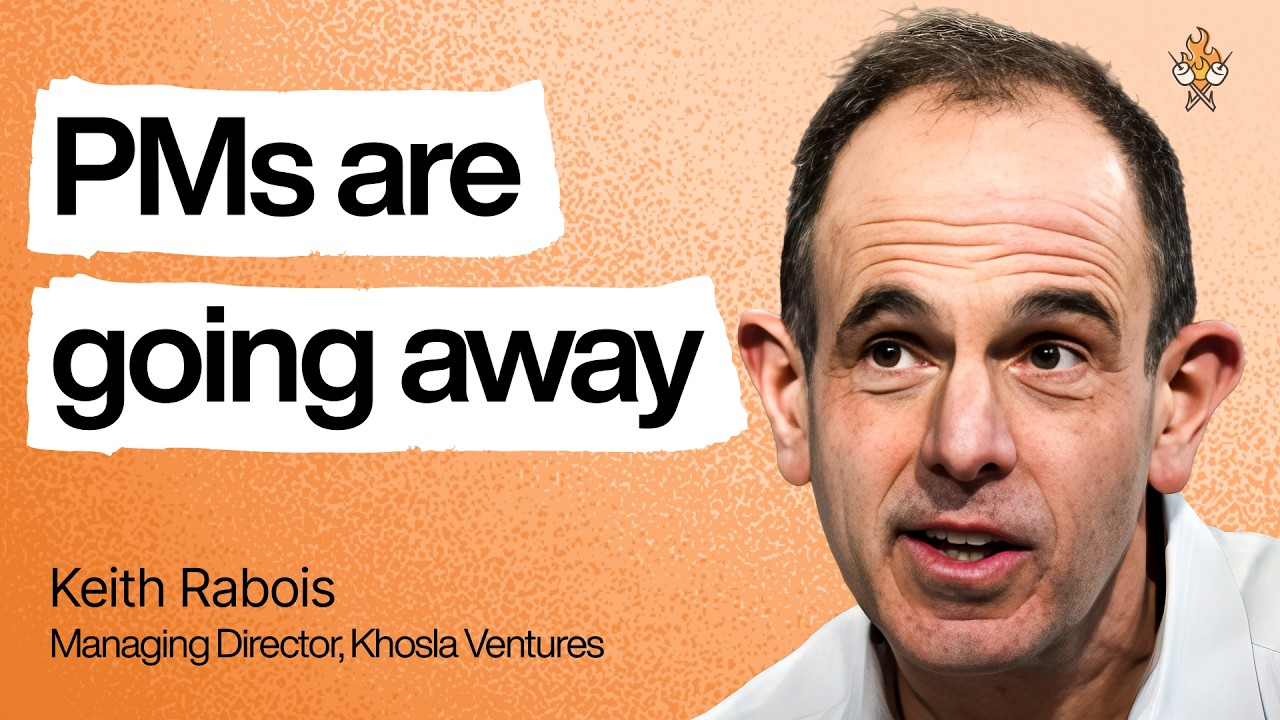
为什么这期值得听
Barrels × Ammunition
一套能解释"我烧了 A 轮的钱,team 翻倍了,产出却没变多"的框架。
PayPal Mafia 的 OS
Peter Thiel / Max Levchin / Venode Kosla 给年轻 Keith 的那几句话,定义了他之后 25 年的管理学。
AI 时代的岗位重构
CMO 变成 token 消耗第一名、PM 这个角色"makes no sense"、engineer 凭商业直觉吃饭。
几个反直觉
"我拒绝让同事和客户交谈"、"批评要公开做"、"心理安全感和高绩效负相关"——并不是口嗨,背后都有逻辑。
Tempo 是早期信号
Roelof Botha 在 Square、Delian 在 Fair、Keith 在 Ramp——同一个信号出现三次:下次 board meeting 就已经 ship 掉了。
7 年里只缺练 7 天
No days off 的"no days"是真的。这一节接近末尾,但它其实是前面所有答案的个人版。
先说一个小花絮:2010 年起他就不用电脑了
Jack Dorsey 启发
在 Square 看到 Jack 用 iPad 运营整家公司,Keith 2010 年 9 月起跟着切换。
"I haven't touched a computer since September 2010."
那时的"未来感"
Lenny 对照:Boris Cherny、Simon Willison 现在在手机上写代码跟 AI 对话。
Keith 的总结非常 Keith: "Try to be ahead of the curve. Jack's very good at being ahead of the curve."
作者概括:这是一个典型的 Keith-style 信号。"看 Jack 在干什么,然后跟着做"——从 iPad 到财务服务,这套"follow the signal before it becomes consensus"是他所有决策的 meta-pattern。
团队就是公司
Keith 说他一生最重要的管理学,来自 Square 董事会上 Venode Kosla 的一句话——
"The team you build is the company you build."
PayPal 的 case
Peter Thiel 和 Max Levchin 其实不是"会做产品"才赢——他们 marshal 了一个 incredible density of talent。
谁被招进来
基本全靠 Peter / Max 的一度二度人脉。"很难进 PayPal,除非你和 engineering 或 Stanford 的 Peter 有连接"。
后果
25 年过去了,PayPal 校友仍然在产出世界级公司。Keith 把这叫"density compounding"。
1 + 1 ≥ 3
Keith 在 PayPal 时升不上去。COO David Sacks 给的 feedback:你没展示 leverage。
David Sacks 的公式
每多招一个人,要能产出 非线性的回报。不是 1+1=2,是 1+1 ≥ 3。
Keith 的绕道
他发现自己在陌生人面试里 50/50——但在内部一起跑步吃饭过的人身上,看人很准。
于是他从内部偷人,搭出了自己的 team。升职。
教训:先承认你哪种识人能力强,再用那种。别自欺欺人。
Ruthless referencing
20 次 reference
Tony (DoorDash) 对每一个 senior hire 做 20 次 reference check。"我敢打赌他很准。"
查到负面才停
David Sze (Greylock) 在 LinkedIn 董事会上教 Keith:不要停止 reference,直到出现第一条负面反馈——那才是你真正摸到人的边界。
问对问题
"Max 是好员工吗?" → 答案混乱。
"Max 能成为 world-class entrepreneur 吗?" → 答案是 yes。
同一个人,错问题,错结果。
"If you were CEO"
面试 leadership 岗位时问候选人:
"如果你是你现在公司的 CEO,会做哪些不一样?"
然后追问:"为什么你没能说服 Brian?"——这一刀下去,信息密度爆炸。
最省力的校准:30 天后问自己"同样选择我今天还会做吗?"— Keith 说 30 天和 1-2 年一样准。
Barrels vs Ammunition
Keith 观察到:CEO 融完 A / B 轮、招一大堆人,几个月后在晚饭桌上崩溃——
"我花了这么多钱,招了这么多人,产出反而变少。"
根因:能独立把事情从 inception 推到 success 的人——Keith 叫这种人 "barrel"——数量非常有限。没扩充 barrel,只堆 ammunition,只会增加 coordination tax,产生 drag coefficient。
堆人 ≠ 加速
最关键的比值不是人数,是 barrels : ammunition。它决定了公司能并行跑多少条 important initiative。
常见剧情
A 轮完成,招人,同样的事往一个 barrel 后面堆更多 ammunition → 协作税 ↑ → 每人产出 ↓
Keith 的处方
想做更多并行?扩充 barrels,不是堆 ammo。
怎么识别一个 barrel?Keith 的定义:
"我们要翻过那座山——无论如何,come hell or high water,他会把我们带过去。"
不够这个标准的,都不是 barrel。
凌晨九点的冷奶昔
问题
晚上工程师加班,Keith 想给他们送健康的食物而不是垃圾食品。定了"晚 9 点的冷奶昔"。
一大堆资源解不了
Office team、EA 们反复试。奶昔不够冷、送不到点、工程师到了桌子前奶昔还没到——全错了。
一个 intern 解了
叫 Taylor Francis,入职第二天。Keith 讲完抱怨,他说 "I'll solve it"。Keith 心想"好好好加油"。
第二天 9 点,冷奶昔准时到达站立桌。味道好。
"Oh my god, I found a barrel."
之后 Keith 把所有事都交给 Taylor 做。
作者概括:barrel 的诊断测试不是简历、不是 title、不是"聪明程度"。是"我 fire-and-forget 给你,你真的能 deliver"。一个 9pm 奶昔就够看出来。
招 "undiscovered talent"
PayPal 第一周,Peter Thiel 和 Keith 沿着斯坦福慢跑。Peter 的一句话定了 Keith 之后 25 年的招人哲学:
要招还没被大公司标价的人。大公司的薪水你追不上——你是个 startup,还自带 salary cap,而且是别人的 1/10。
为什么这行得通?大公司的 hiring 是 homogeneous function。"为什么这个人在 Meta / Google / Block / Coinbase 会被错过?"——如果你能回答,那就是 alpha。
副作用:Keith 招的人 net-net 偏年轻。不是因为需要年轻人——而是年轻人数据点少,像"没信用记录",大公司的 blackbox 处理不了。
CEO 的唯一职责:对抗 complacency
Keith 的朋友问 Mike Moritz: 最顶尖的 CEO 们有什么共同点?
"It's the relentless application of force."
赢得越多,推得越狠
直觉上赢的时候该松口气。但 network effect 没搭起来之前,complacency 就是下滑的开始。
反过来:输的时候当教练
Keith 做 VC 时,遇到公司挣扎的时候反而不批评——当 coach、当 supporter。
公司自己知道在挣扎,再踩一脚没帮助。
赢的时候才是 critical 的窗口
大家都很 happy、borderline complacent——这时候得把还没出问题但会出问题的事先指出来。
像体育教练
赢的时候打磨细节。输的时候 selling the future。Keith 说,这正好是很多管理者反着做的。
最强的人,不想"coast"
Lenny 插入观察:和 Brian Chesky 工作时,"什么时候能歇一歇?" 答案永远是"no"。偶尔真歇了——团队士气反而下降。
"Really talented people are like superb athletes — and when things are going well and people are really kind of coasting, they're not happy. They have an internal clock tempo. The morale actually does go down when people are skating."
含义:不是要"把人压榨到死"。是"别低估顶尖人才的 internal tempo"——他们来不是为了休息,是为了 create 和 drive。允许他们 skate,是在辜负他们。
AI 时代,CMO 成了第一 token 消耗者
Lenny 问:AI 时代怎么不被淘汰?
Keith 的答案:intellectual curiosity。 然后他丢了一个具体观察——
"What I've noticed in some of the best organizations is the number one consumer of tokens is the CMO."
不是 engineer
这些公司里工程师不少,token 榜第一却是 CMO。
他们在做什么
从 analytics 到 actual 营销 campaign,亲手 ship drafts,"以前得 beg engineering 配合,现在自己做"。
信号意义
AI 奖励的是 intellectually curious 的高管,而不是"在高管位置上的人"。
"PM 这个角色 makes no sense"
Keith 听 Peter Fenton 那期 podcast 后被说服——
传统 PM 的工作:收集客户输入、写一张一年的 sequential roadmap。
在 foundation model 以周为单位进步的世界里,"一年 roadmap"本身就是荒唐的。
上月不可能做到的东西,下周可以做到。
Shopify 的反直觉做法(已两年):
PM 不许用 PowerPoint / Keynote 讲新产品。每次产品汇报必须是可以跑的 demo。
execs 拒绝看静态 slide——"No, I want everything working."
"The idea of a PM makes no sense in the future. The skill is more like being a CEO now, which is what are we building and why?"
新的 unicorn:会做生意的工程师
Alfred Lin 的比喻
"像名厨在自家餐厅——他不亲手做每道菜。他在尝味,在微调同事的出品。但他真正的工作是 value proposition、differentiate、brand、定价、甚至选址。"
Keith 的扩展
最好的工程师早就有 commercial instincts。
Max Levchin "on steroids"。Jeremy Stoppelman 还是 IC 时就有(后来去创了 Yelp)。
AI 时代这种 instinct 会变得更值钱——因为你不再需要庞大团队来 marshal 资源。
一个具体例子
Keith 在 Ramp 的一位 director of engineering:管 20 人团队,同时个人 ship 的代码量和他当 IC 时一样多。靠 AI 当"第二个 team"。
谁胜出?
不是 PM、designer、engineer 里选一个——是里面既 technical 又懂 business的那种人(历史稀缺)。AI 把 middle layer 蒸发,两端(why 和 distribution)定胜负。
"我拒绝让同事去和客户交谈"
"I hate talking to customers. I refuse to allow colleagues of mine to talk to [customers]."
(Keith 明确说:只对 consumer / SMB / 微商户 这一类成立。enterprise 不一样。)
Porsche 悖论
"找任何一个开豪车的人问'你为什么买这辆?'—— 99% 的时候会告诉你除了真实原因以外的所有原因。"
消费是 subconscious
你穿什么、买什么,不是一个 conscious decision。用 conscious 去问 subconscious,得到的是 misleading 的回答——即使对方在认真答。
Enterprise 是反例
决策者 utilitarian 且 identifiable。"30 个 must-win accounts"——能见到每一个 CEO——这种 customer dev 有用。
所以依靠什么
Keith: "Everything you need to learn about humans was written by Shakespeare." 产品是电影——你得卖票,但不要靠 focus group 决定拍什么。
Airbnb 和 DoorDash 的"非客户调研"起点
Airbnb
Brian Chesky 当时给 Keith 看的数字是:
Bay Area 上 Craigslist 主动发帖"想租别人家卧室"的条数 ≈ 30。
"这看上去少,但你得手动打出来——所以 30 已经很多了。"
Keith: "这是真市场。"听完三分钟就决定投。
DoorDash
Tony / Evan 走进 Keith 办公室时带的数字:
美国 93% 的餐馆不提供外卖。
Keith 的反应:"这个百分比怎么还这么高,感觉应该比 7% 低才合理。"
Andrew Mason 的对照:曾经说"手机应该就两个按钮:bored 和 hungry"。Keith 当场顿悟—— DoorDash 就是那个 "I'm hungry" 按钮。
反例:Brian 要是去 sample 10 个随机人,大概率 9 个以上会说"我才不会让陌生人睡我家"。Airbnb 就永远不会立项。
最早能看出赢家的信号:tempo
Roelof Botha 作为 Square 的 series B 投资人进入董事会,六个月(两次 board meeting)后告诉 Keith:
"I haven't seen this kind of tempo since our PayPal days."
Delian Asparouhov 在 Fair 的第二次 board meeting 后几乎一字不差的复述——这种压缩的 ship-and-measure 节奏,是极少数公司才有的。
Ramp 的证据:shipping a card 行业 best case 是 9-12 个月——Ramp 用了 ~3 个月。
Keith:从来没见过这种 velocity。当场 pre-empt 了 A 轮。
最反直觉的 hiring philosophy:别招 senior
Keith 观察:他接触到的表现最好的公司,几乎都跳过了 hire-senior-people 的阶段——全是内部培养。
"It's mostly internally grouped talent."——Ramp 是这样,Trade Republic 也是这样。
Delian 复述的 "Keith prism"
判断要不要招 senior,问一个问题:
你这个岗位在做 value creation,还是 value preservation?
- Preservation → senior 经验有用
- Creation → 基本没用,甚至有害
Chief of staff 作为 factory
Keith 本周参加的一个 board meeting:该公司的 CMO 是前任 chief of staff,新上的 head of product 很可能是现任 chief of staff。把 CoS 当作 senior leader 孵化器—— 1-2 年 osmosis 训出一个。
Criticize in public
"One of the most important tenants is criticize people in public."
Keith 从一位 great founder 学到——几乎没人做、甚至没人谈,但逻辑 obviously true。
私下 = 为 atomic unit 优化,不是为 system。同事早就 suspect,不知道你在处理,只看到问题 persist,焦虑。
公开 = ① issue being addressed ② 有人举手 "I can help" ③ 从"指责个人"变"系统协作"。
"No, I don't believe in psychological safety"
Lenny 直接问:你是不是不信奉 psychological safety?
"No, I don't believe in that at all. High performance machines don't have psychological safety. They're about winning."
Keith 的推荐读物
《The Jordan Rules》。"If you want to be Michael Jordan, you got to act like Michael Jordan."
唯一的例外
Keith 在一次 board meeting 反对 "retro on failures"——因为 过度 retro 失败,会让人不敢再接 ambitious 的 shot on goal。这时候 psychological safety 有一点 validity:让人敢举手认领难题。
不是"没安全感"本身等于高绩效。是 Keith 认为"把 psychological safety 当 core tenet"会让组织 skew 向平均。高绩效的 prior 是 winning,不是 comfort。
No days off
Lenny 最后一个 lightning round 问:你的 life motto?
"# no days off"
来源:Bill Belichick 带 Patriots 连冠的冠军游行口号
Keith 的注脚:"I don't believe in excuses. No days off is a proxy for 'I don't believe in excuses.'"
——包括生病、跨时区、婚礼。那种精度不是摆拍,他逐年统计。
核心金句
"The team you build is the company you build."
— Venode Kosla 在 Square 董事会上告诉 Keith
"I found a barrel."
— 凌晨 9 点冷奶昔送到时 Keith 的内心独白
"The number one consumer of tokens is the CMO."
— Keith 对 AI 时代组织的观察
"The idea of a PM makes no sense in the future. The skill is more like being a CEO now."
— 被 Peter Fenton 那期播客说服
"I hate talking to customers."
— 仅针对 consumer / SMB;enterprise 除外
"It's the relentless application of force."
— Mike Moritz 对"最顶尖 CEO 共同点"的答案
"High performance machines don't have psychological safety. They're about winning."
— Keith 对"心理安全感"的正面否决
"If a founder shows the ability early in his or her career to assess talent ruthlessly and accurately, he or she can go very far with no other abilities whatsoever."
— Keith Rabois · Lenny's Podcast