PodDeck
← 全部源头

Huberman Lab

神经科学与行为心理学长对谈

4 集已生成 · 4 集收录

已生成

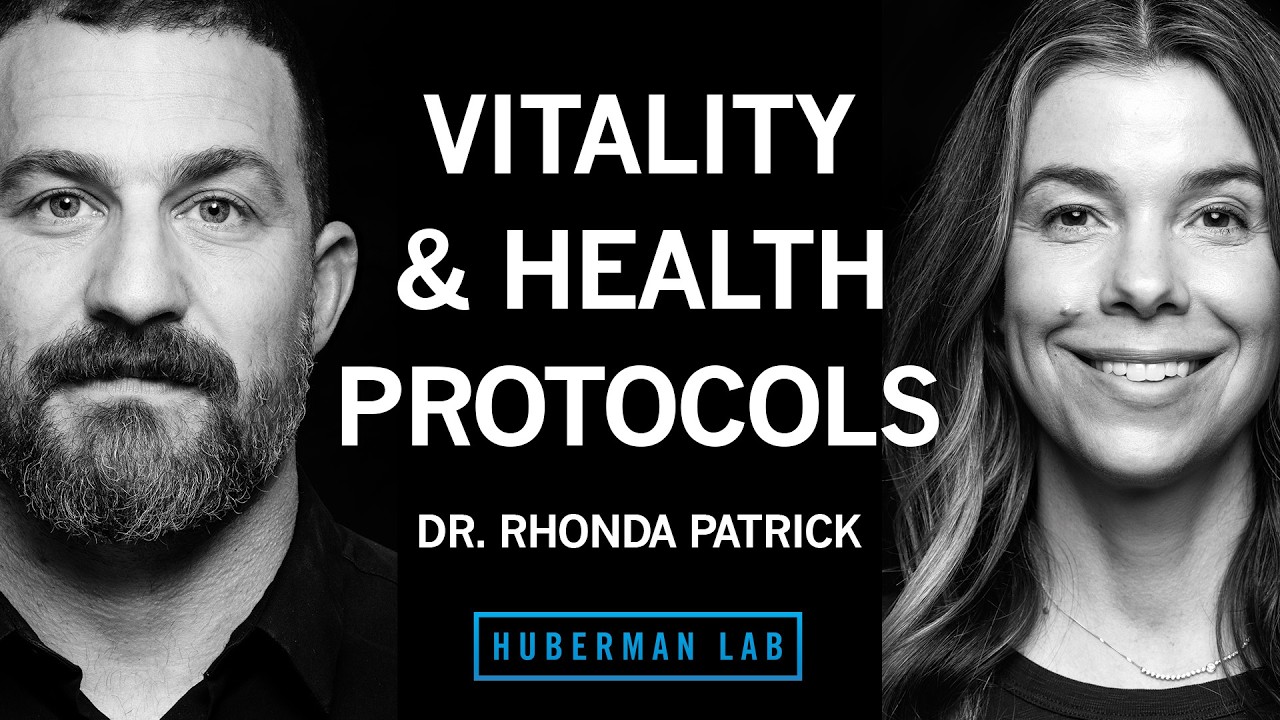
The Best Vitality & Health Protocols | Dr. Rhonda Patrick

Dr. Rhonda Patrick · Biomedical scientist, FoundMyFitness founder

Dr. Rhonda Patrick joins Andrew Huberman for a comprehensive deep-dive into evidence-based health protocols covering exercise (VILPA, strength training), gut-inflammation cascades, omega-3 as her top supplement, cortisol management, intermittent fasting mechanics, creatine for brain health, and her full supplement stack with dosages and rationale.
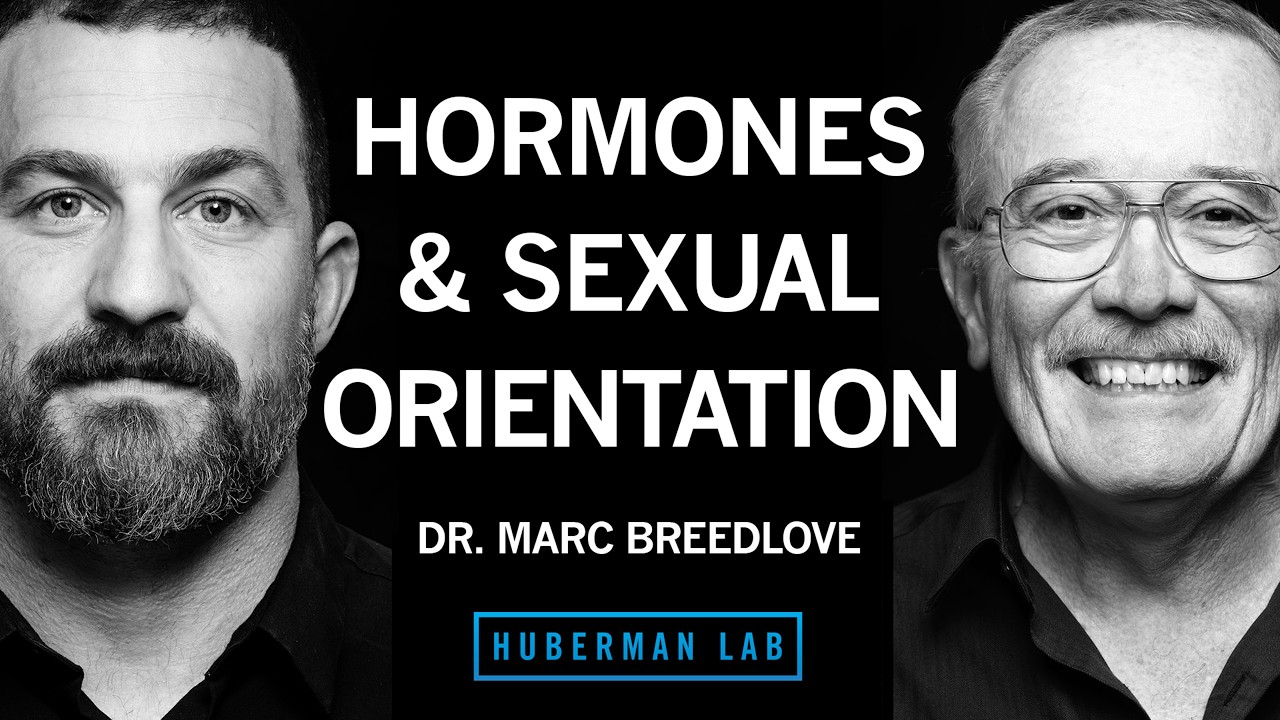
How Hormones Shape Sexual Orientation & Behavior | Dr. Marc Breedlove

Dr. Marc Breedlove · Michigan State University neuroscience professor

Dr. Marc Breedlove explains how prenatal testosterone shapes sexual orientation, the fraternal birth order effect, gay rams, brain sexual dimorphisms, and why sexual orientation is not a choice — through the lens of decades of biological research.

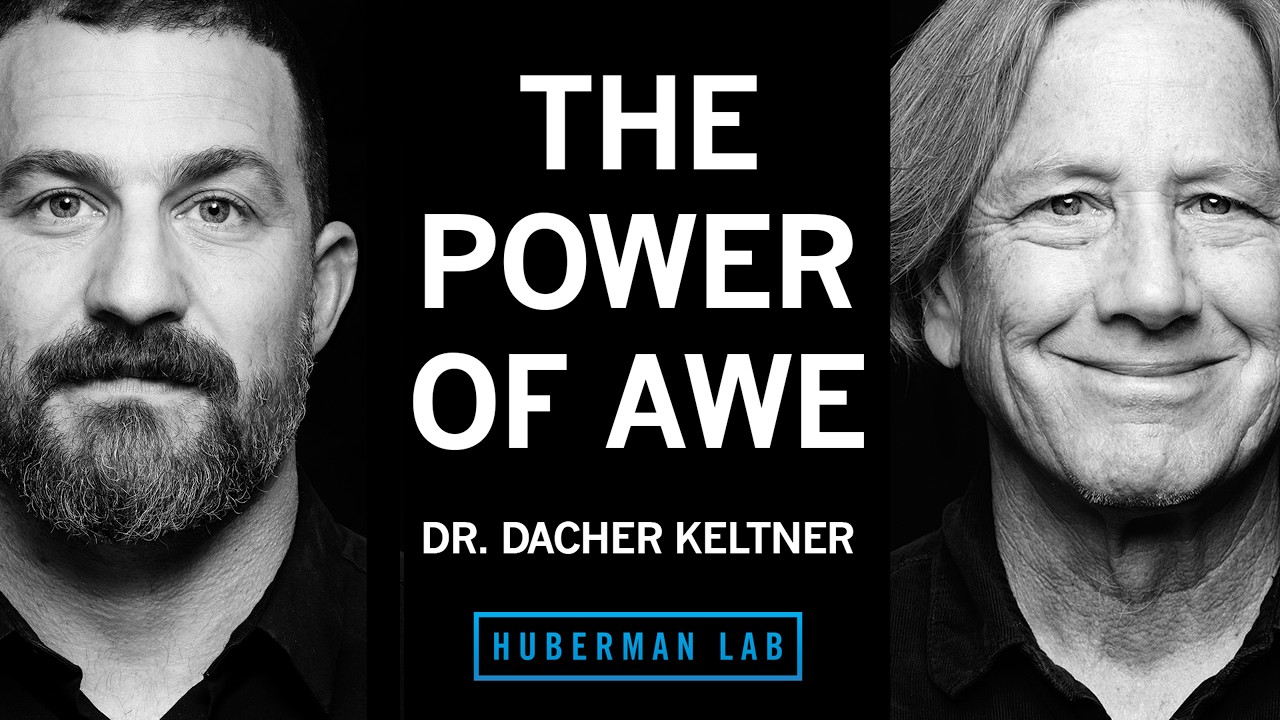
Cultivating Awe & Emotional Connection in Daily Life | Dr. Dacher Keltner

Dr. Dacher Keltner · UC Berkeley Psychology Professor & Greater Good Science Center Co-Director

Emotion scientist Dr. Dacher Keltner explains the neuroscience of awe — how shifting perception from "small to vast" triggers measurable health benefits including reduced inflammation, less pain, and better brain health years later. The conversation spans the expanded taxonomy of 20 facial expressions, the role of teasing and embarrassment in group bonding, the loneliness epidemic, music as the fastest path to collective consciousness, and practical awe design for cities and daily life.

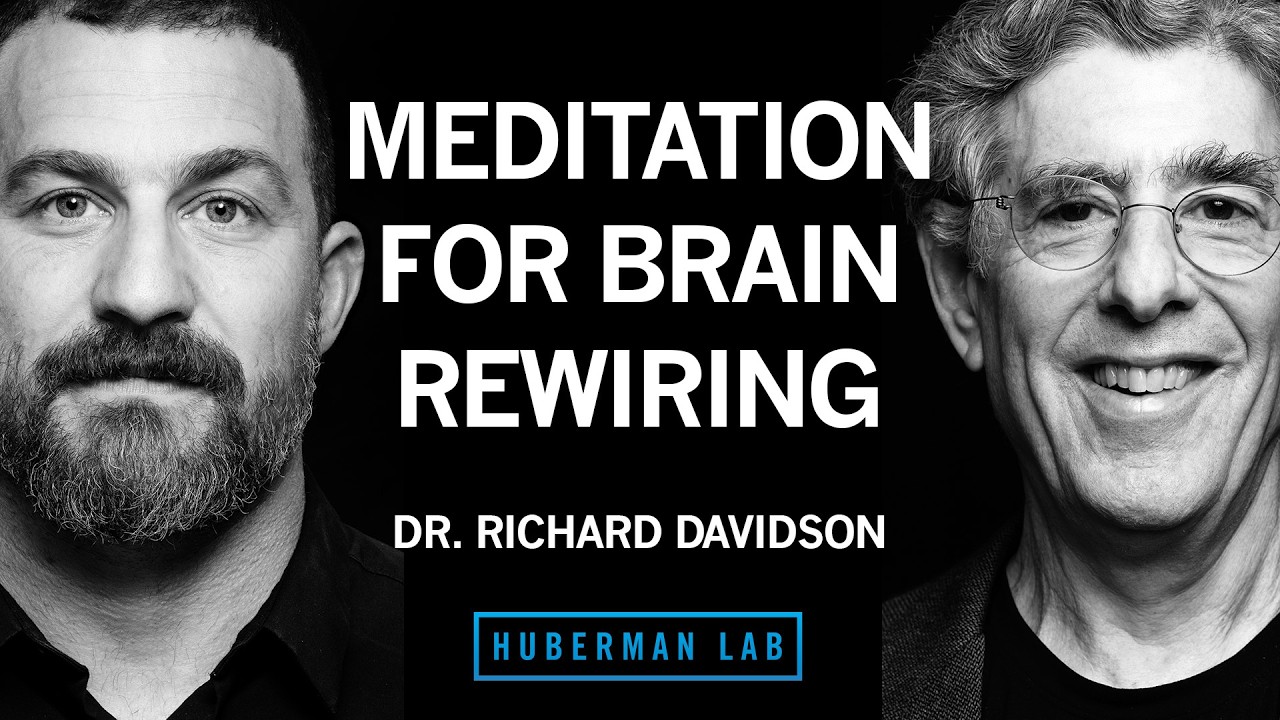
Science-Based Meditation Tools to Improve Your Brain & Health | Dr. Richard Davidson

Dr. Richie Davidson · Professor of Psychology & Psychiatry, University of Wisconsin-Madison

Dr. Richie Davidson, a pioneer in meditation neuroscience, explains how just 5 minutes of daily meditation for 30 days produces measurable reductions in depression, anxiety, and inflammation. He introduces the concept of "the lactate of the mind" — the initial anxiety of meditation as an adaptation signal — and presents his four-pillar framework for human flourishing: awareness, connection, insight, and purpose.