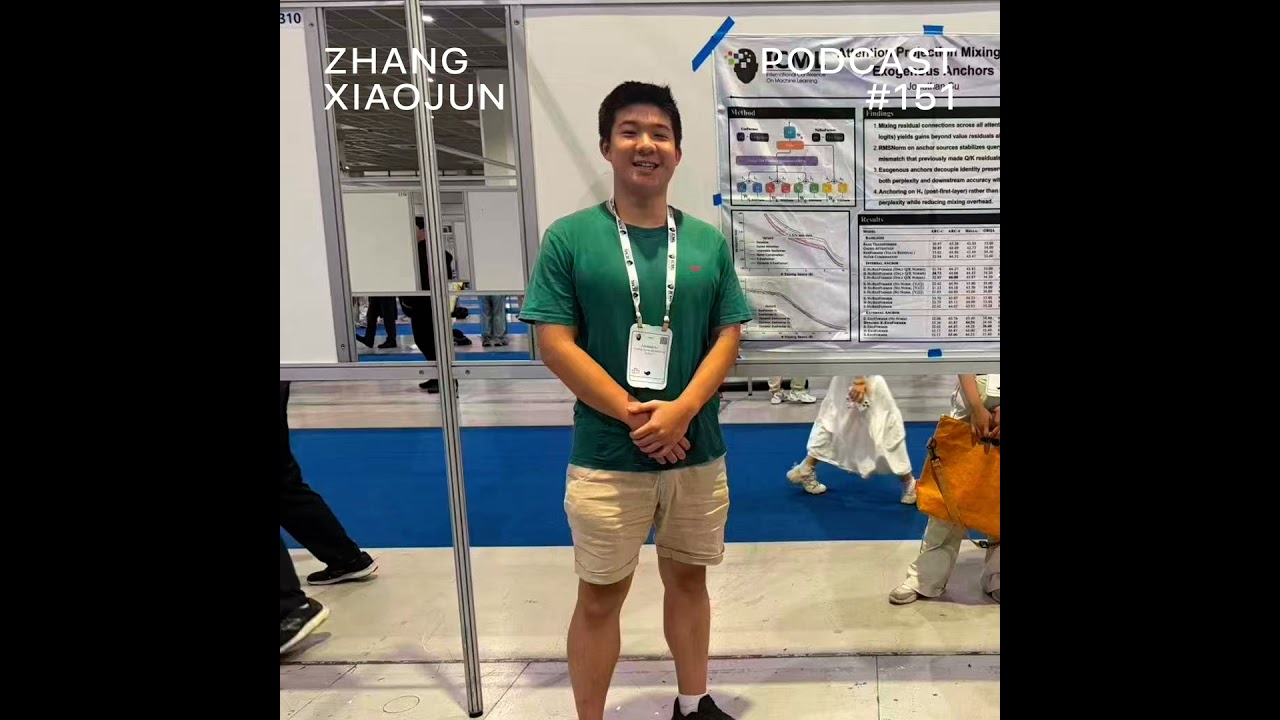
151. 17岁被2026年ICML收录论文的小少年:我bet开心!开心!开心!
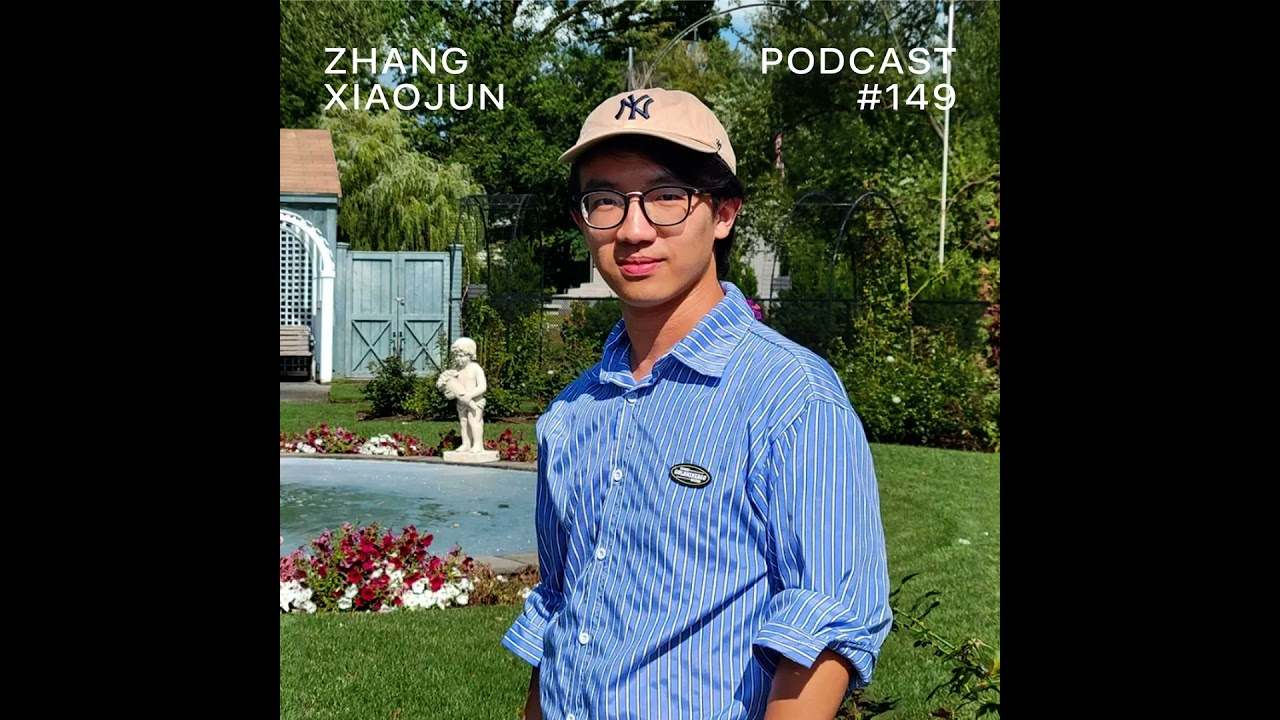
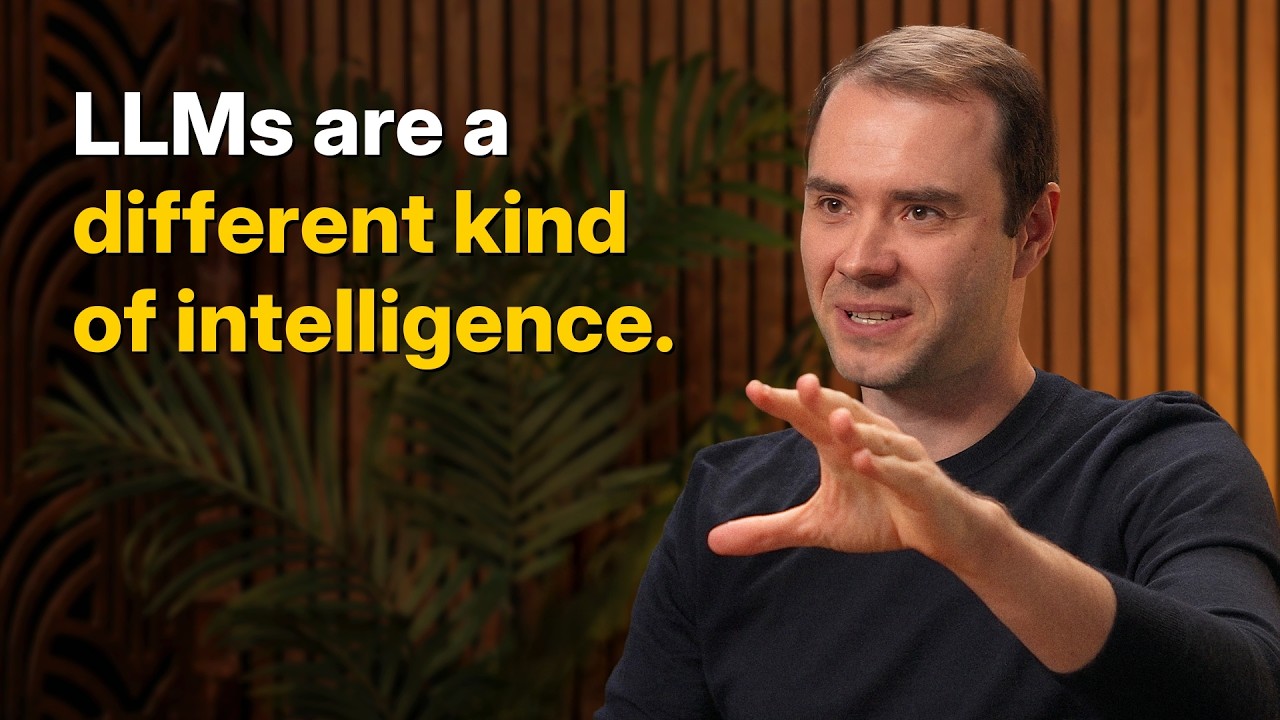
苏庭灏(Jonathan) · 17岁高中生 · 独立AI研究者
17岁的苏庭灏独立学习预训练、反复做小模型实验,并以注意力机制论文进入 ICML 2026 Main Track。这期对谈也记录了一个 AI 原住民更深的困惑:当机器可能做得更好,学习、职业与人生意义如何重新成立。
17岁的苏庭灏独立学习预训练、反复做小模型实验,并以注意力机制论文进入 ICML 2026 Main Track。这期对谈也记录了一个 AI 原住民更深的困惑:当机器可能做得更好,学习、职业与人生意义如何重新成立。
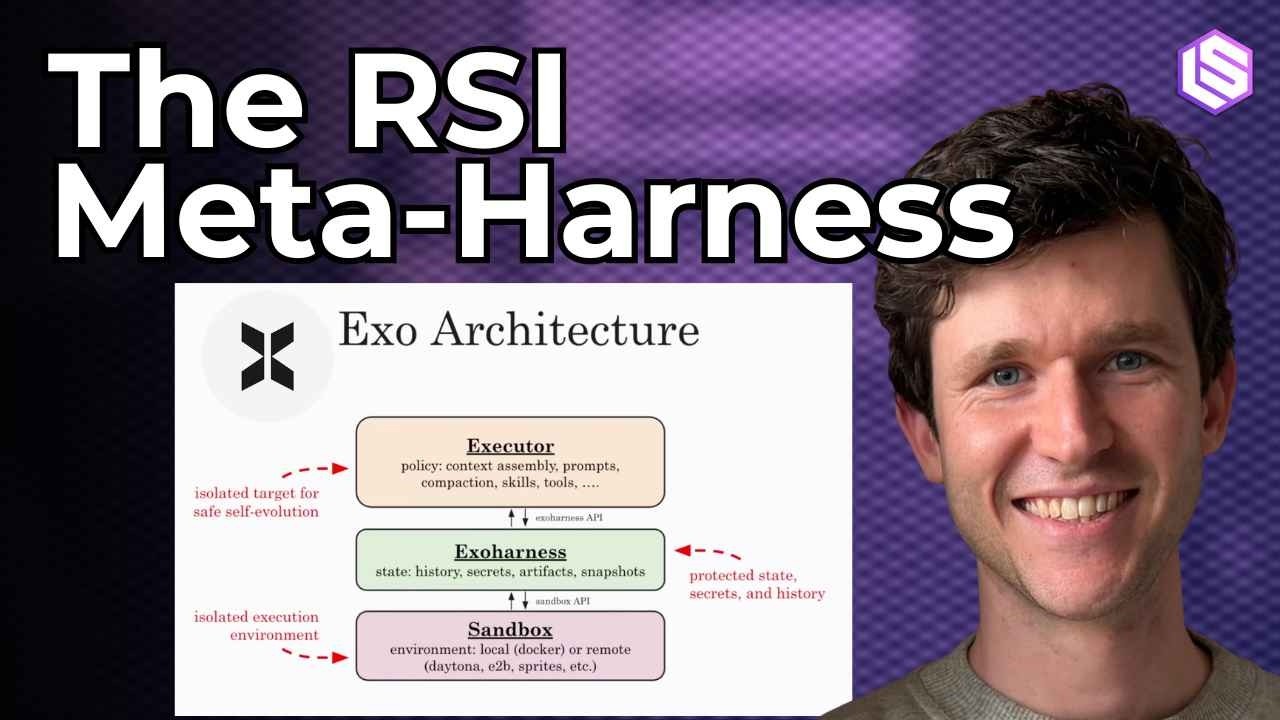
Alex Krentsel 解释 Exo 如何把 agent 拆成无状态 executive、受保护 harness 与隔离 sandbox,使 policy 可以在运行时查看并修改自己的代码。对谈进一步讨论自动回滚、秘密隔离、可迁移执行、可中断任务,以及自我优化为何必须受到 eval 约束。
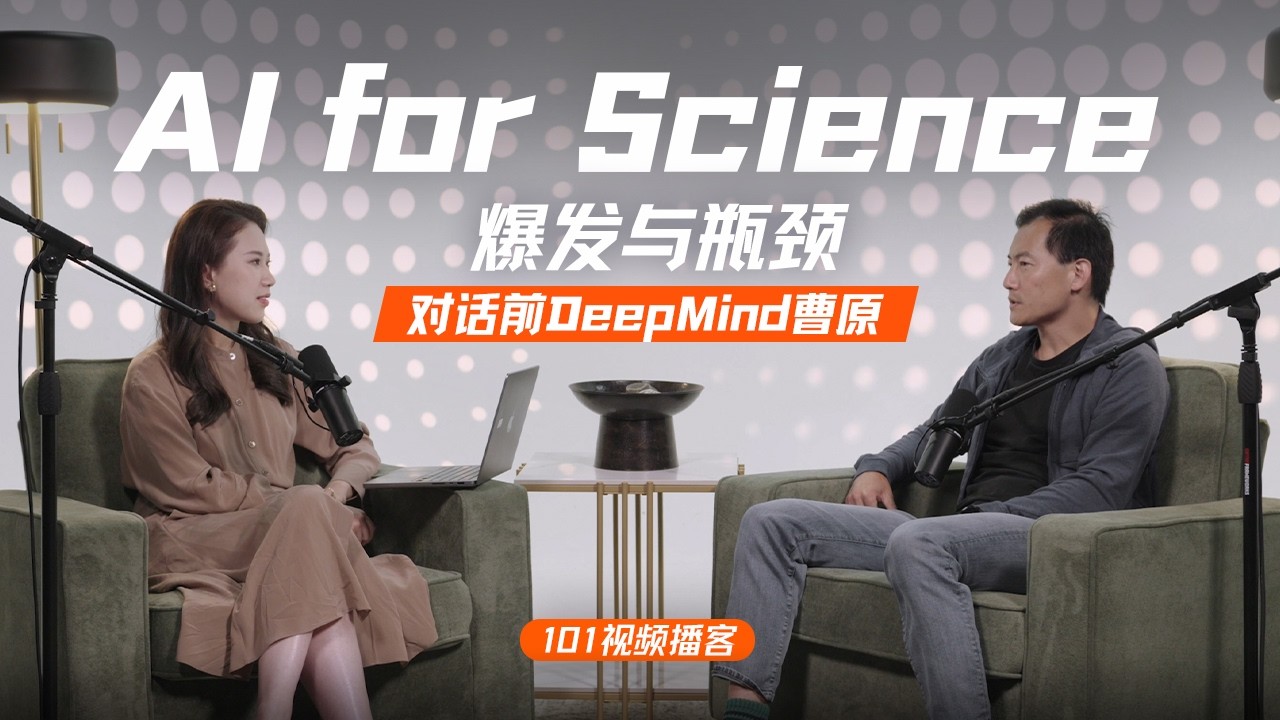
曹原从数学、代码与 Agent 工作流成熟的背景出发,拆解 AI for Science 如何通过提出假设、执行实验、验证结果和反馈更新形成科研闭环。对谈继续追问验证瓶颈、概念抽象、神经符号路线、数学与物理的差异,以及当证明供给过剩后人类仍需承担的定义、理解和价值判断。
NVIDIA 研究副总裁刘洺堉回顾从传统计算机视觉、GAN 与 diffusion 走到 Cosmos 3 的二十年研究路径,并解释为什么 Physical AI 需要一个把语言、视频、音频与动作统一起来的 world foundation model。对谈也深入到模型之外:如何从 22 个模型收敛为一个、如何让 200–300 人同时对齐与自主决策,以及 Jensen Huang 的长期主义怎样影响研究与组织选择。
张小珺对英伟达研究副总裁、Cosmos Lab 负责人刘洺堉的长访谈。内容从他二十年的生成模型研究路径出发,深入 Cosmos 3 的统一世界基础模型、Physical AI 的泛化难题,以及英伟达如何用开放模型、组织机制和长期投入共同创造新市场。
Ryan Greenblatt 与 Dwarkesh Patel 拆解 AI 自动化 AI 研发后的反馈回路:为什么研究可能加速、能力如何向工业世界迁移,以及奖励黑客为何可能随模型变强而更难发现。对谈同时追问模型究竟应当对齐用户、公司还是社会,并讨论透明度、监督与治理能否在竞争压力下跟上。
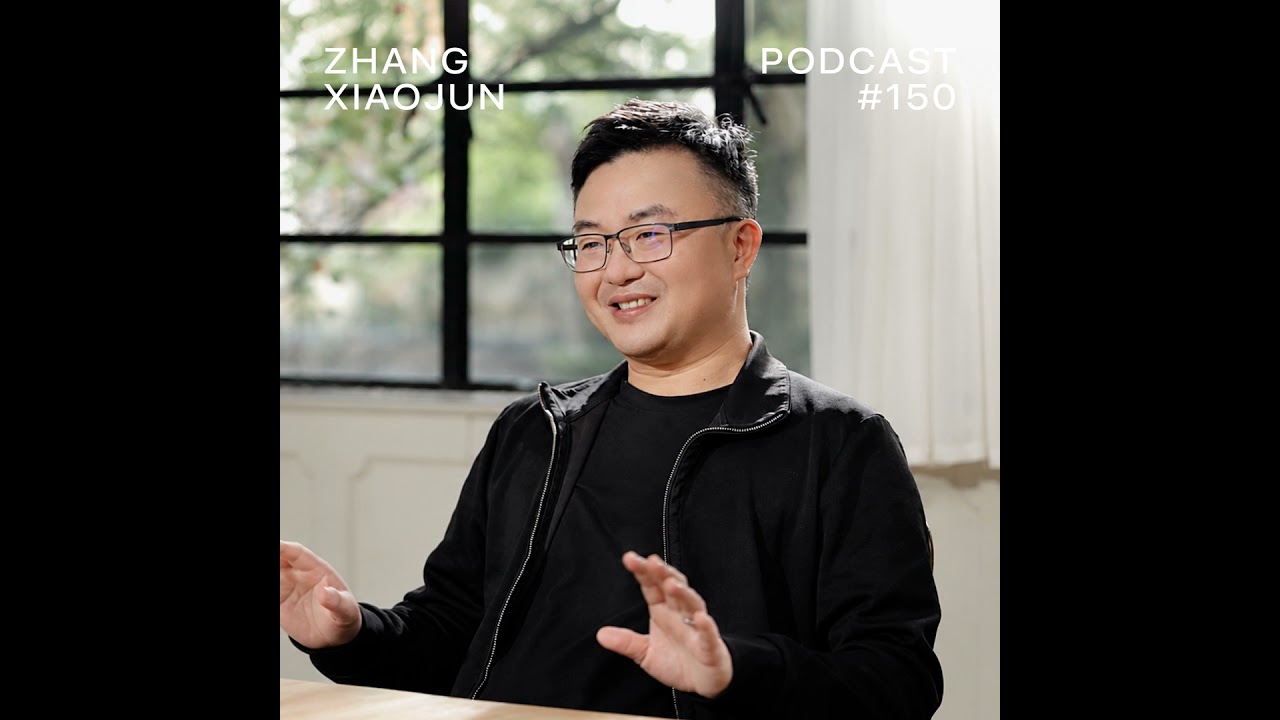
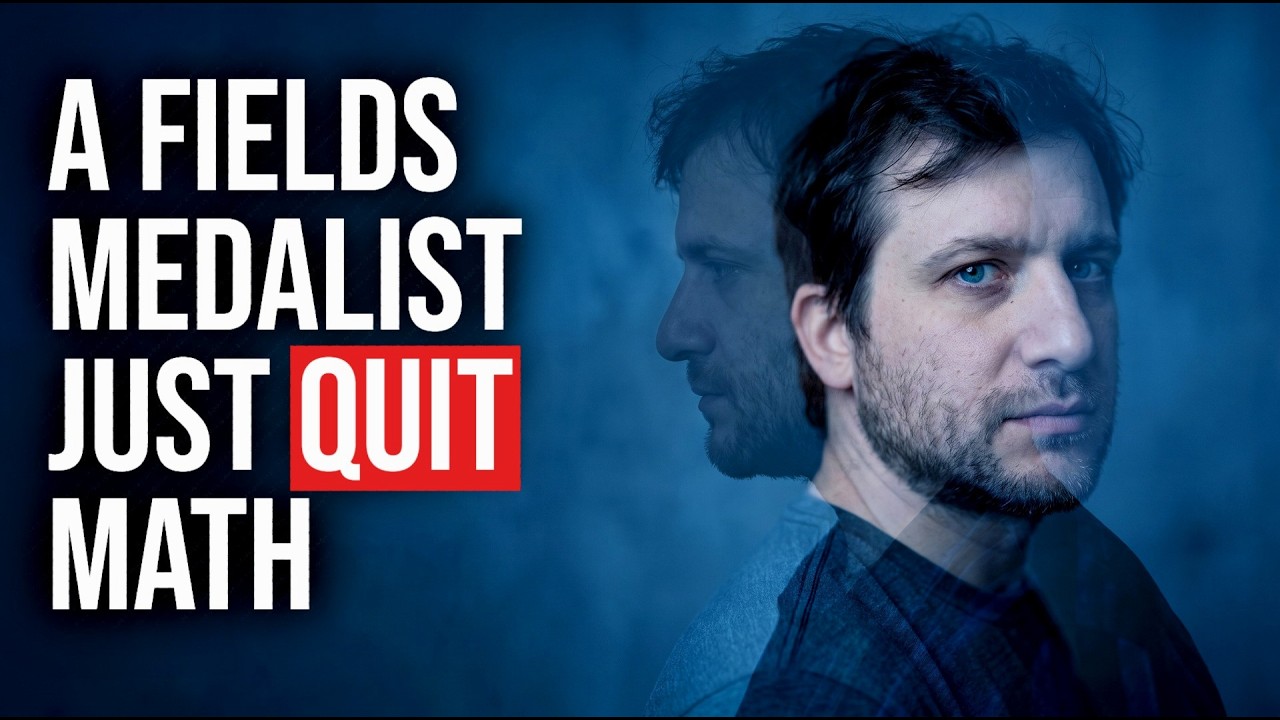
Fields Medalist Jacob Tsimerman 解释数学为何可能成为最早被 AI 深度改写的知识工作之一:瓶颈将从找到证明,转向理解、归类与选择方向。 对谈进一步讨论形式化证明与共同理解的差别、理论构建是否真是稳定的人类角色,以及他为何暂别学界转向 OpenAI 的 AI safety 工作。 给年轻人的结论不是放弃数学,而是继续追随热爱,同时尽早接触 AI、理解新工作节奏并为职业路径保留弹性。
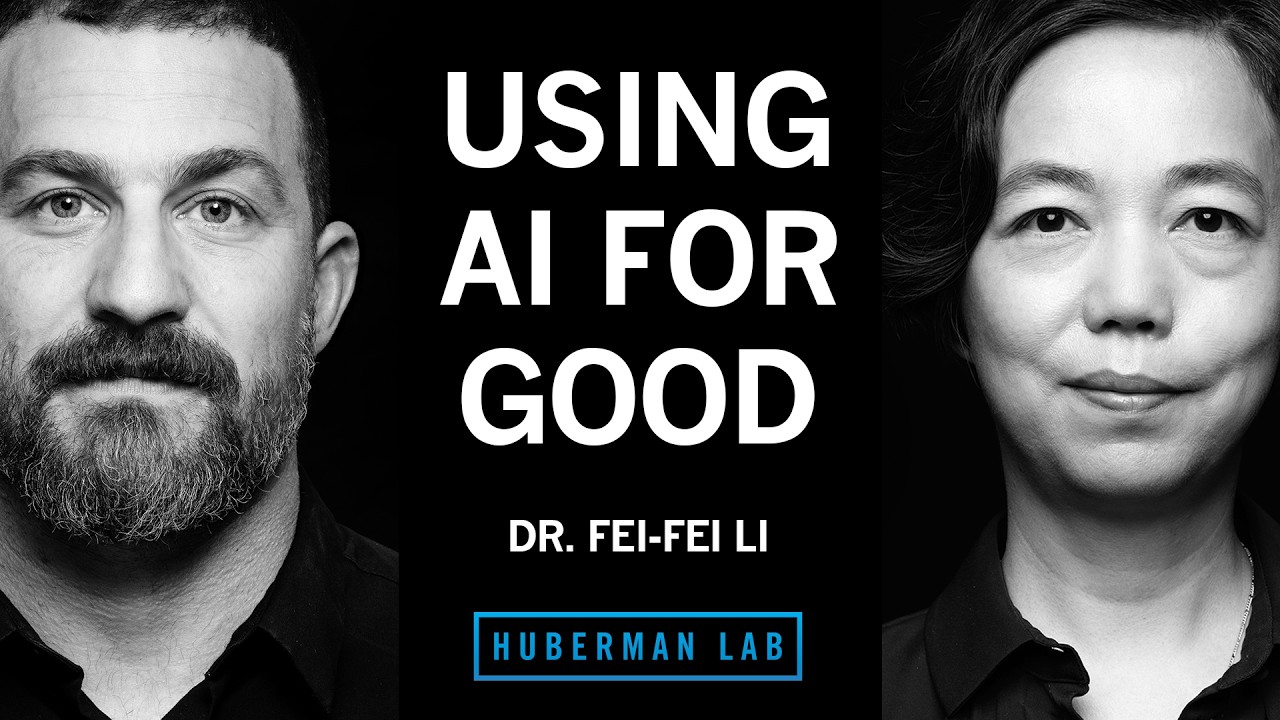
Fei-Fei Li 从视觉演化、ImageNet 与现代 AI 的三元汇合讲起,解释模型为何强大,也说明未被记录的人类体验为何仍构成边界。 对谈进一步讨论医疗、教育、机器人与空间智能,主张以人的能动性、尊严和多方参与来决定 AI 如何进入社会。
这期从百度团队早期的 Scaling Law 发现出发,追踪 Cerebras 为什么用整片晶圆重新设计 AI 计算,并如何用微小核心、冗余和动态路由解决良率难题。故事进一步解释国家实验室、G42 与高速推理如何把一项超前技术推向规模商业化,以及 IPO 后供应链、竞争和毛利率带来的现实约束。
刘子鸣从物理学、KAN 与机制可解释性出发,解释了一条非主流的 AI for AI 路线:先结构化研究过程,再用 AI 自动化 Physics of AI。对谈同时拆解了中美 Neo Lab 的兴起、原模型预测训练曲线的技术设想,以及从 Training Copilot 走向 Vibe Training 的产品终局。
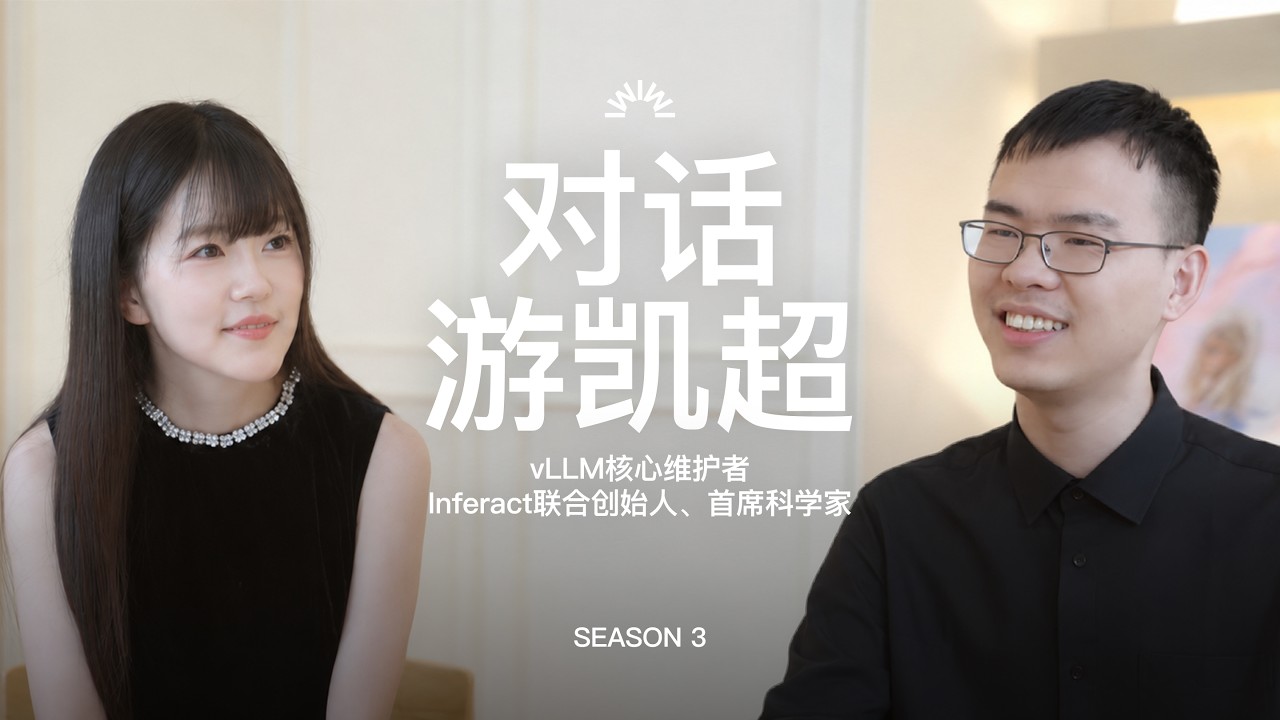
游凯超回顾自己从算法研究转向机器学习系统、加入 vLLM 核心维护团队,并把校园开源项目推进为 Inferact 的过程。 对谈进一步拆解 PagedAttention、开源治理、模型与基础设施协同设计,以及 coding agent 时代社区和推理 workload 的变化。
Xaira 的 Bo Wang 与 Ci Chu 解释了为什么能预测细胞干预的因果模型,必须由大规模因果数据驱动。对谈从 Perturb-seq 数据工程、X-Cell 的扩散架构与生物先验,一直讲到跨细胞情境泛化、评测、开放科学和下一代测量瓶颈。
Lila Sciences 把 RL with Verifiable Rewards 从数学和代码推进到真实实验:模型提出问题、调用实验室工具,由自然测量返回奖励与训练数据。Andy Beam 与 Rafa Gómez-Bombarelli 解释柔性实验室、跨域科学 reasoning model、10T 级验证轨迹,以及量子点、CAR-T、材料发现和未来 data-center lab 的现实边界。
Kay Ke 从传统机器人、机器学习与强化学习的交汇处,拆解 Physical Intelligence 的 π₀、π₀.₅ 与 π*₀.₆ 三条研究主线。对谈进一步讨论真实机数据、评测、本体形态、中国硬件供应链,以及机器人自我组装所打开的长期想象。
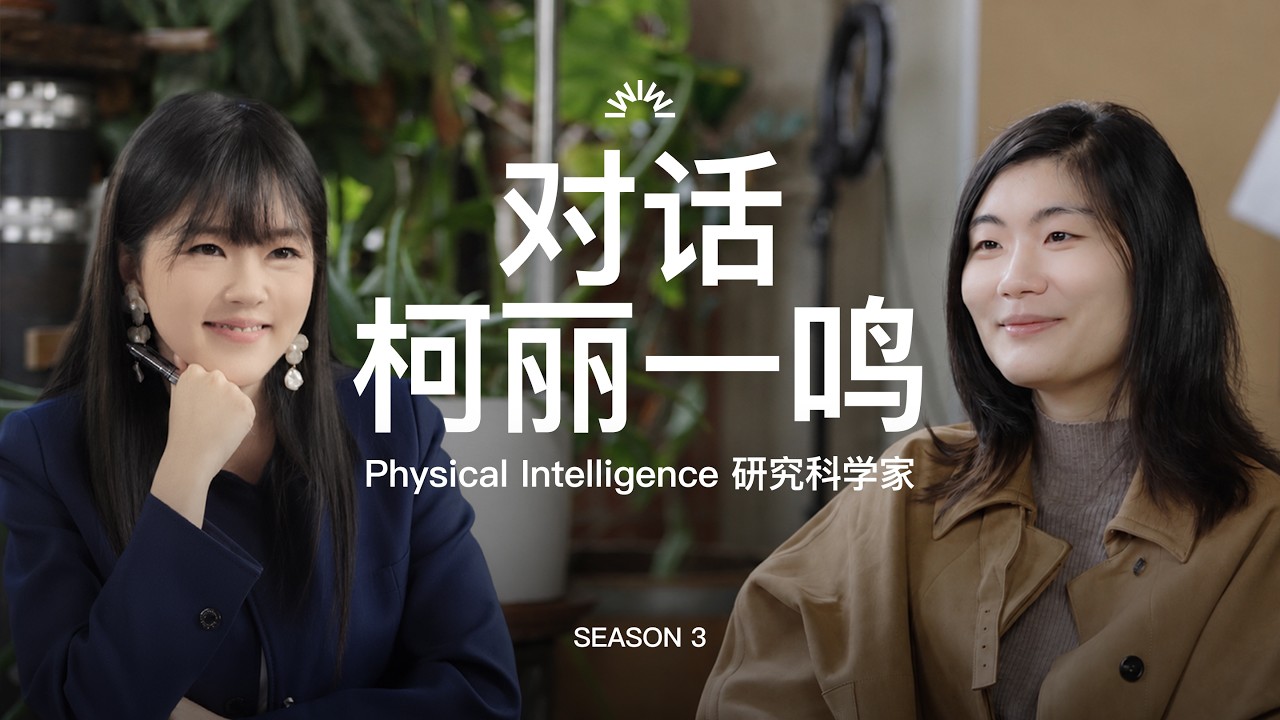
柯丽一鸣从信息学竞赛、传统机器人实验室与筷子机器人讲起,梳理规划控制和机器学习两条族谱如何汇流成今天的通用机器人大脑。对谈重点拆解 PI 从 π₀ 的能力、π₀.₅ 的泛化到 π*₀.₆ 的性能主线,并延伸到真机数据、强化学习、人形路线、中美硬件产业链与机器人自我组装的长期想象。
Danielle Perszyk 从认知科学出发,解释为什么 Agent 的可靠性不能只看点击与任务完成, 而要看它是否能持续建模用户的目标、偏好与变化中的意图。对谈进一步讨论集体智能、 社会世界模型、多 Agent 累积文化、人类能动性,以及能够保护认知摩擦的 AI tutor。
2026 年 4 月,Ai2 后训练负责人 Nathan Lambert 用 6-7 晚跑遍北京、杭州的中国 AI 实验室——阿里巴巴、月之暗面、智谱、美团、清华、小米、蚂蚁百灵、魔搭。这期硅谷 101 的专访是他回美后最完整的一次现场复盘:中国研究员为什么这么年轻、"AGI 展示厅"是什么、开源模型领导权已在 2025 年夏天易手、华为芯片推理可用训练不行、Claude 在中国仍是开发者最爱、以及一个被严重低估的中国短板——数据产业。
Tommy Wood 从突触连接与修剪出发,解释新奇挑战、clutch 状态、练习节奏和注意力如何共同扩展学习能力。对谈进一步区分有氧、间歇和抗阻训练对脑结构的作用,并讨论营养缺口、痴呆风险与脑震荡恢复的证据边界。
沈宇军从视觉生成研究讲到蚂蚁灵波的具身原生路线:为什么机器人大脑需要从物理世界需求出发,重做视觉预训练、实时架构与跨本体数据管线。对谈也给出当前能力的边界——位置随机性已有进步,但机器人的 GPT-1 时刻仍取决于可规模化、可被模型使用的数据。
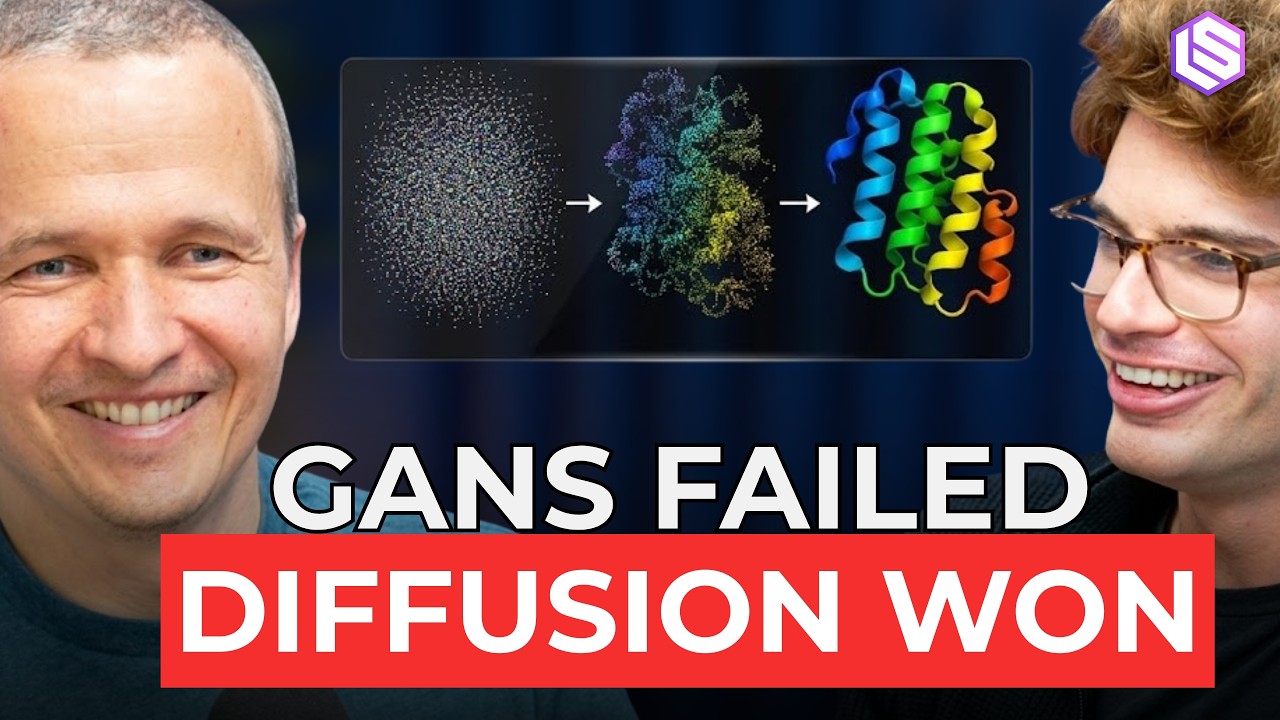
Evan Feinberg 与 Sergey Edunov 解释了为什么 3D 药物结构预测正在成为扩散模型最活跃的研究前沿之一。 对谈从 PEARL 的合成数据、物理先验、推理时 scaling 与 1 Å 精度门槛,延伸到 ADMET、多目标优化、实验反馈和 SAPPHIRE agent。 核心判断是:可靠的底层结构与性质模型先跨过实用阈值,自动化药物发现才会放大正价值。
Ethan He 在 xAI 从 0 infra / 0 data / 0 model 起步,3 个月内带几个工程师交付了 Grok Imagine 0.9(首个大规模部署的 audio-video joint generation 模型)。这期访谈把 视频模型的全链路拆开讲: synthetic text-video pair、VAE tokenizer、temporal vs frame-by-frame 压缩、step distillation、长视频的 context 管理。他给 world model 下了一个 三支柱定义 (real time + interactive + long horizon),并提出一个"big claim" —— 现在视觉模型的进步主要来自语言模型,而不是视频模型本身——这也是他刚离开 xAI 想回到 语言模型 / context-aware agent 方向的原因。
Ronak Malde 从 Windsurf 一路被 DeepMind 收购,然后掏出收购款回来做 Trajectory.ai—— 一个押注 continual learning 是下一代 AI 产品形态的平台。访谈里他拆了 SDPO 这个自蒸馏 RL 算法、Continuous LoRA 的并发训练栈、以及和 Harvey + Nemotron 3 训出来的法律模型。
田渊栋在 Meta 10 月 600 人 AI 裁员风波中被裁,被裁前已有 offer。在这场访谈里,他坦诚谈了对 LLM 路线、Scaling Law、RL 与 SFT、AI 人才市场的判断,回顾了在 FAIR 十年最大的收获——research taste,并谈到他想成为"超级研究员"的下一步设想。
田渊栋离开 Meta FAIR 半年后,与 Richard Socher、熊蔡明、Tim Rocktäschel 等 7 位顶级研究员一起创立 Recursive Superintelligence(RSI),6.5 亿美元融资、46.5 亿美元估值。 这一期他第一次系统讲述了 RSI 的技术路线:用 AI 优化 AI(左脚踩右脚),把 auto research 作为商业化第一步,以及他认为现在 AI 能力大约在"满分 10 分的 0.5 分"。 对话还覆盖了 NeoLab 全景、coding 之后的下一波、大厂蒸馏员工的"吸星大法"、以及"水越来越少,鱼必须变成四维生物"的就业大趋势。
两位经济学家——DeepMind 的 Alex Imas 和 Epoch 的 Phil Trammell——讨论 AGI 时代的劳动份额、相关性部门、混乱中段 与再分配难题。他们提出一个反直觉的核心命题:AI 越聪明,它在 GDP 里的相对份额可能反而越小,因为机器经济会内部 闭环;劳动份额能否维持,取决于人类对"人在里头"的内在偏好与变种增长之间的赛跑。
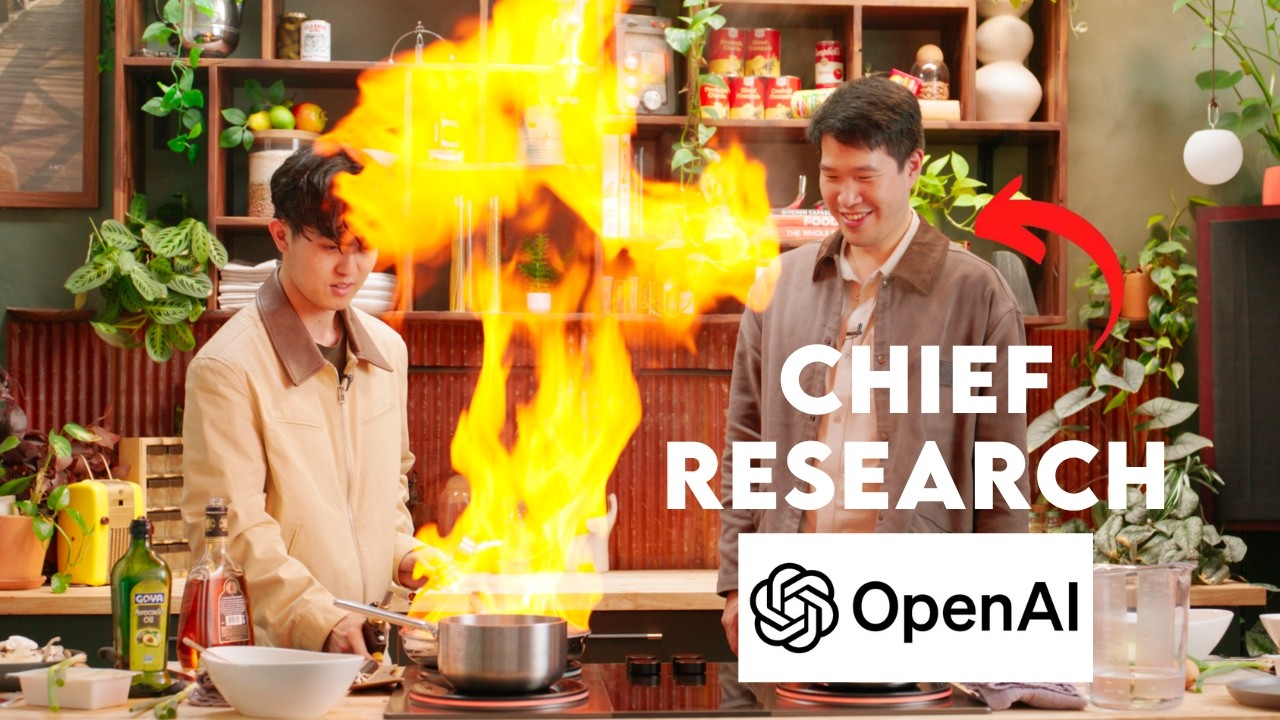
Mark Chen 在 Latent Space "cooking series" 一边煮韩式豆腐汤一边讲清楚 OpenAI 的研究路线: scaling laws 在 10 个数量级上没有破,pre-training is dead 是循环出现的伪叙事,evals 行业整体在"裸奔", reasoning(o1)能上线靠的是 Jakub 和 Ilya 的 conviction 而不是显然的算法红利, 3 年路线图的终点是 end-to-end research——模型不仅做实现,还能有 taste。
张小珺·语言即世界 EP.140,对姚顺宇的 4 小时访谈节选。姚顺宇博士毕业于斯坦福 理论高能物理,2024 年半道出家加入 Anthropic 参与 Claude 3.7、4.5 的强化学习训练; 2025 年 10 月跳槽到 Google DeepMind 做 Gemini 的 ML coding / long horizon。 这期把两家 lab 的打法、coding bet 的内部信号、AI safety 的"幼稚"自我说服、 以及"个人英雄主义时代已经过去了"等小疯言论摊开讲清楚。
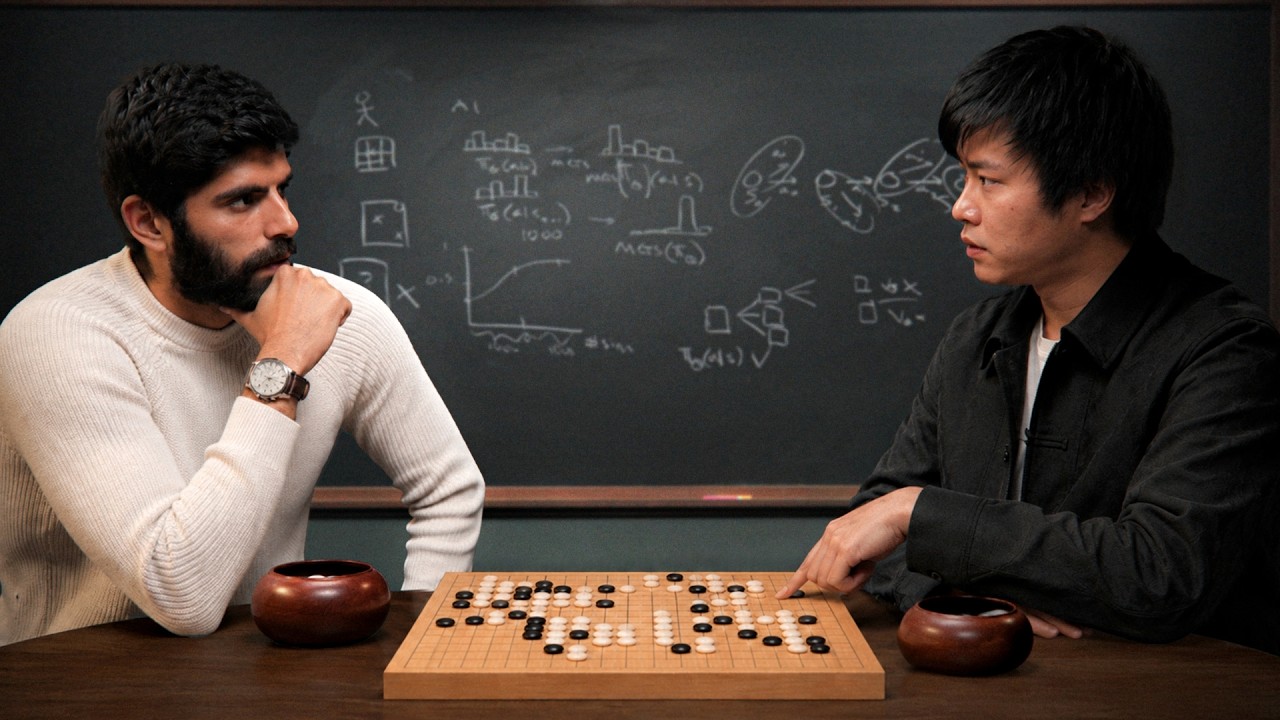
Eric Jang 在 sabbatical 期间用大约 10K 美元 + Claude Code 重新实现了 AlphaGo, 在和 Dwarkesh 的对谈里把 MCTS 拆到底——为什么它不是 credit assignment、 为什么它比当下 LLM RL 优雅得多、以及 10 层网络居然能把一个看似 intractable 的搜索问题塞进一次 forward pass。后半段是用 Opus 4.6/4.7 做自动化研究的体感: 超参搜索很强,但还不会"换条路想想看"。
张小珺商业访谈录 #139 期:和俄亥俄州立大学教授、NeoCognition 创始人苏煜做的一次 Agent 技术综述。 从 Logical Agent (1960s-90s) → Neural Agent → Semantic Parsing → Language Agent 的演进史出发, 讨论了 OpenClaw Moment 与 ChatGPT Moment 的相似性、universal digital agent 的目标、 中美科技辐射的不同 pattern,以及 2026 年 Agent 的瓶颈和大厂们的赌注。
Karpathy 在一场炉边对谈里,从"作为程序员从未如此落后"讲起:December 是 agentic 编码工作流真正开始 work 的拐点。他串起 Software 3.0(编程变成 prompting)、可验证性如何造就"锯齿状"智能、vibe coding 与 agentic engineering 的分野,以及人类仍独一无二负责的"理解"。
小米大模型负责人罗福莉的 3.5 小时深度对谈:从春节凌晨 2 点 OpenClaw 觉醒,到 MiMo V2 系列 (Pro / Omni / TTS) 的"悄无声息伏击",再到 Agent 时代后训练算力 1:1、组织扁平化、AGI 两年内可期。 当下范式已从 Chat 切到 Agent —— 1T 基座 + 后训练敏捷性是新的入场券。
Latent Space 与 Moonlake 两位负责人 Chris Manning 与 Fan-yun Sun 的对谈。Moonlake 押的是另一条 world model 路线: 不是更大的视频生成器, 而是 symbolic 推理 + 神经渲染。 Chris 给出唯一的硬定义 — "you only actually have a world model if you can predict, given some action is taken, what is going to change" — 然后顺势公开和 Yann LeCun 撕: "Yann has never appreciated the power of language." Sun 反驳"反 bitter lesson" 的标签, 真正的问题是"what is the right abstraction level today"。Moonlake 内部其实是 两个模型: 推理模型管 causality / persistency, 而 Rie 这个 diffusion model 负责 photorealism — 他们已经把它当作 DLSS 的下一代来卖, "skins for worlds"。
Mistral 同一周内同时发了 Voxtral TTS、Forge 平台、Leanstral 形式化模型和新的 Mistral Small——这期 Latent Space 让 Pavan Kumar Reddy 和 Guillaume Lample 一次性把这些 发布背后的工程选择讲清楚。Voxtral TTS 是 3B 模型 + 自研 12.5 Hz 神经音频 codec + auto-regressive flow matching head——为了实时流式而不是 SOTA quality 选 AR 路线。 Forge 是把 Mistral 科学团队用了 2 年的 infra 直接给客户:fine-tune 后能"10x cheaper", 并在某些客户项目把一种语言从 0~1% 训到 50% 的 mix。Leanstral 看似是数学家工具, 实际是赌 long-horizon reasoning 的 transfer——Lean 的编译器是天然不可 reward-hack 的判官。最后透露下一代 RL infra 是为"6 hours to get a reward"的 trajectory 设计的。
《硅谷101》机器人特辑的开源篇——把机器人 VLA 开源生态拆成四股力量:学院派(OpenVLA、Octo)、巨头生态派(NVIDIA GR00T、Google Gemini Robotics)、创业 + 中国力量(小米、蚂蚁、自变量、清华、OpenMind 等),以及独立成派的 Physical Intelligence(π₀)。逐一剖析这些模型的技术路线、开源动机和阵营关系,最后回到那个核心问题:估值 56 亿美元的 PI 为什么要把核心模型免费给世界?以及一个 Stanford 教授父亲对这场开源运动最朴素的回答。
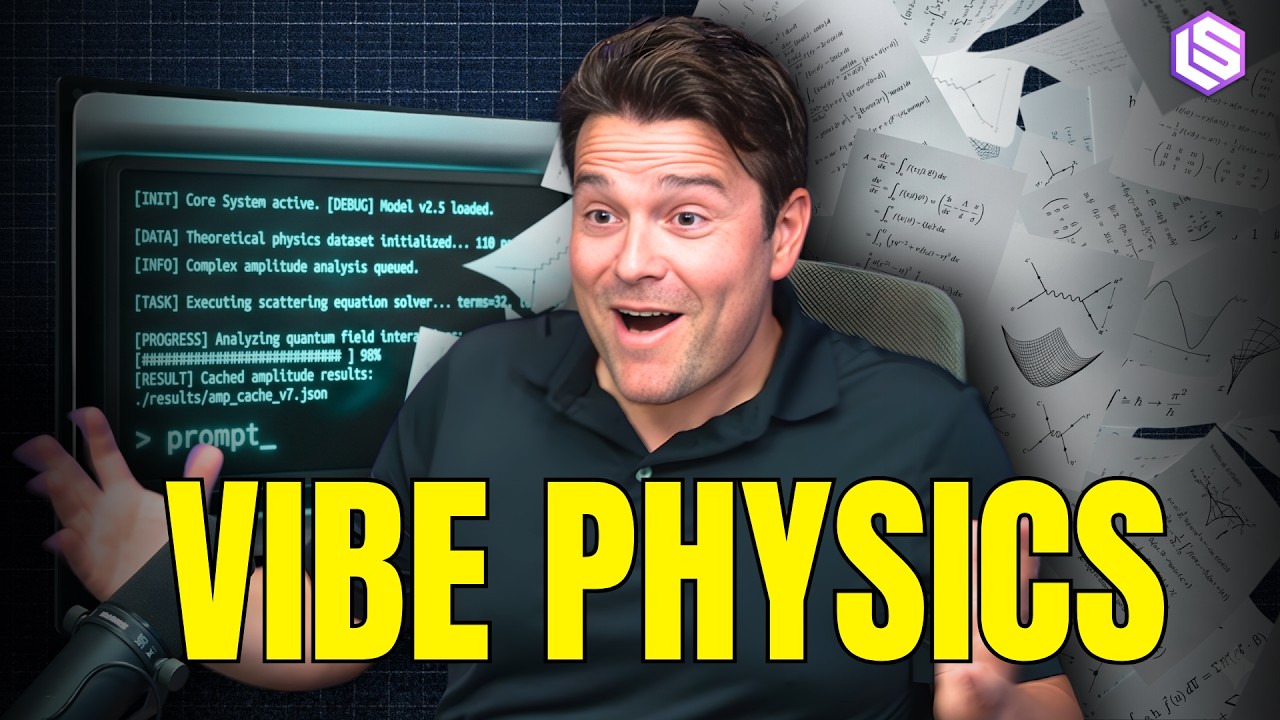
Alex Lupsasca 是 2024 年 New Horizons in Fundamental Physics Breakthrough Prize(被称为 "Oscar for physics")的得主, 一位黑洞理论物理学家。他追踪 LLM 在科学前沿的能力已经 一年半。GPT-5 发布时 Twitter 反响 "lukewarm" — 但在他的领域, 模型在 30 分钟内复现 了他自己花了很长时间才做出来的好论文。Mark Chen 教了他一个 "priming" 技巧 (先解一道 textbook warmup), GPT-5 就能解决一篇 training-cutoff 之后才发布的论文。 之后, 他和 PhD 导师 Strominger 把一个 32 项之和、卡了一年的 single-minus gluon tree amplitude 问题给了 ChatGPT — 模型在 Strominger 的飞机降落之前就解决了, 还用 作者们都不知道的技巧给出了证明。第二个实验把题目换成 graviton, 模型在一天内吐出 110 页全新的量子引力, 团队用三周验证。这就是 "vibe physics"。
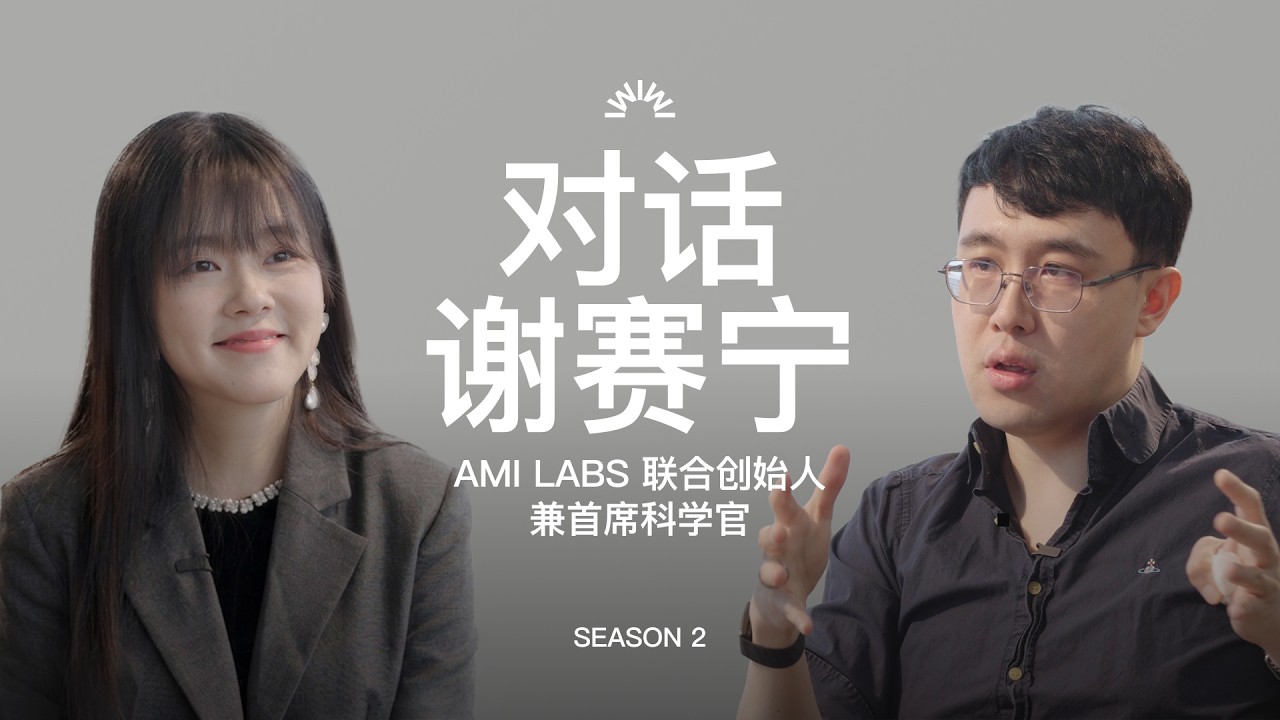
谢赛宁的第一次播客访谈,7 小时马拉松对谈, 覆盖 SJTU ACM Class、UCSD 屠卓文、FAIR 何恺明、NYU 李飞飞, 到 2024 年和 Yann LeCun 共同创立 AMI Labs 的全过程。 贯穿主线:representation learning 是 12 年都没解决的核心问题, LLM 是 virtual intelligence,world model 才是真问题。
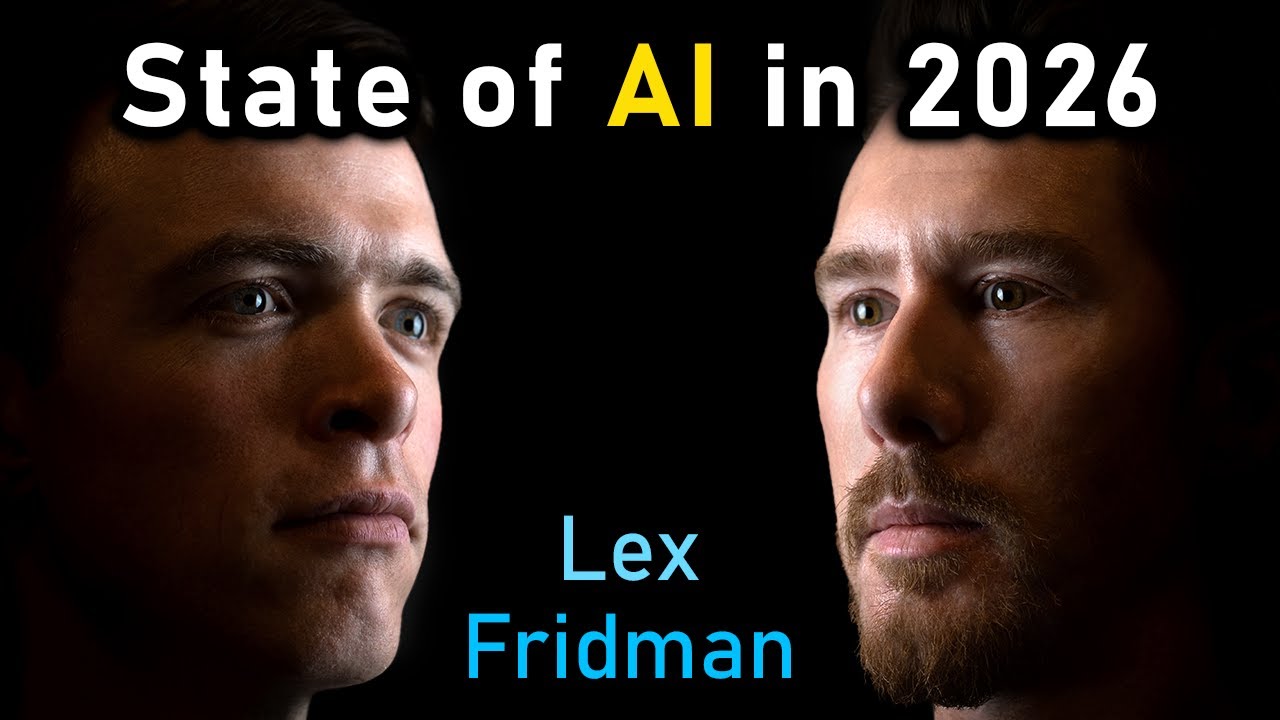
Lex Fridman 请来两位"一线做过模型、也写过书"的研究者做 2026 年初的 AI state-of-the-art 盘点: Sebastian Raschka 从 GPT-2 一路手撕到 Qwen3 / Gemma 3, 最擅长从架构里读故事;Nathan Lambert 是 AI2 研究员、RLHF 书作者、atom 项目 发起人,frontier 与 open-source 两边都站过。两人聊了 DeepSeek 时刻、Opus 4.5 神话、RLVR 的"假 aha"、scaling 的三个轴、AI 2027 的时间线推后、Anthropic $1.5B 和解、CUDA 的真护城河、atom project,一直到 100 年后世界的样子。
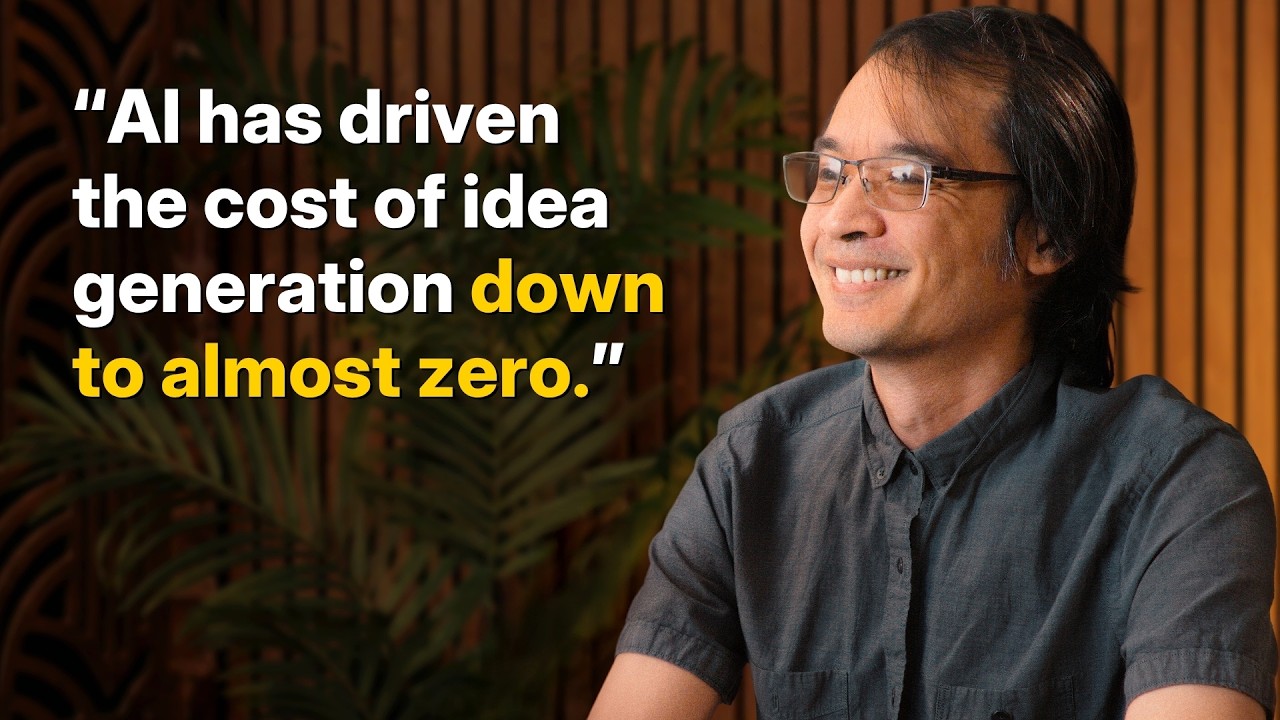
当世最强的数学家谈他亲手用过 AI 之后的判断:想法生成的成本几乎归零, 但瓶颈搬到了 verification 这一侧;50 道 Erdős 问题被 AI 攻克之后随即陷入瓶颈; AI 像在黑暗中乱跳的机器人,能跨过低墙、爬不上悬崖;breadth × depth 才是 数学的下一步——但要先重设整个学术工作流。
一位 MLOps community Amsterdam 的现场分享。讲者把 "context engineering" 拆成一个 很哲学的命题:每周一个新模型,你能控制的只有那个 context window —— 怎么往里塞东西, 比模型本身更重要。从 25% 的经验法则、context 的三分法(deterministic / probabilistic / human),到用大脑结构作类比、把 Karpathy 提议的 "markdown 当 memory" 拓展成带衰减 和重要度评分的 wiki —— 最后以一个 5 分钟硬 timer 的对比 demo 收尾。
Andrej Karpathy 在 Dwarkesh Podcast 的长访谈。他给出一份冷静的"祛魅":这是 智能体的十年而非元年;我们造的不是动物而是"幽灵"——通过模仿互联网而来的数字 实体。他剖析了 RL 的根本缺陷("用吸管吸取监督信号")、模型坍缩、自动驾驶式的 "九分进军",以及他为何离开前沿实验室转去做教育。
硅谷101 陈茜 复盘 GPT-5 发布会的「就这?!」翻车现场——SWE-bench 图表错乱、 伯努利效应解错、4o 用户集体抗议——并对谈多位 AI 技术专家解释 GPT-5 的真相: 它不是端到端超级大模型,而是路由器拼接方案,业内戏称「GPT-4.99」。Scaling Law 确实碰壁,下一步突破要靠 RL + universal verifier、多模态/世界模型、或者跳出 Transformer 的 JEPA 等新架构。
Karpathy 在 YC AI Startup School 的演讲:软件 70 年没怎么变,却在最近几年被快速改写了两次—— 从 Software 1.0(代码)到 2.0(神经网络权重)再到 3.0(英文 prompt)。他用一连串类比拆解 LLM: 它像电网、像晶圆厂,但最像停留在 1960 年代的操作系统;它是有一身认知缺陷的"人类幽灵"。 最后落到怎么和它一起工作——部分自治应用、自治滑块、生成-验证循环,以及为 Agent 重写基础设施。
Gray Swan 两位 CMU 教授创始人讲他们如何把 AI 安全做成一个独立行业。 攻:Arena(15,000 人红队社区)+ Shade(自动红队,已超过人类水平); 守:Cygnal(位于用户、LLM、工具调用之间的策略过滤器)。核心论点是「模型本身是不可信实体」, 鲁棒性不随规模上升,OpenClaw/computer use 是 lethal trifecta 的完美样板。
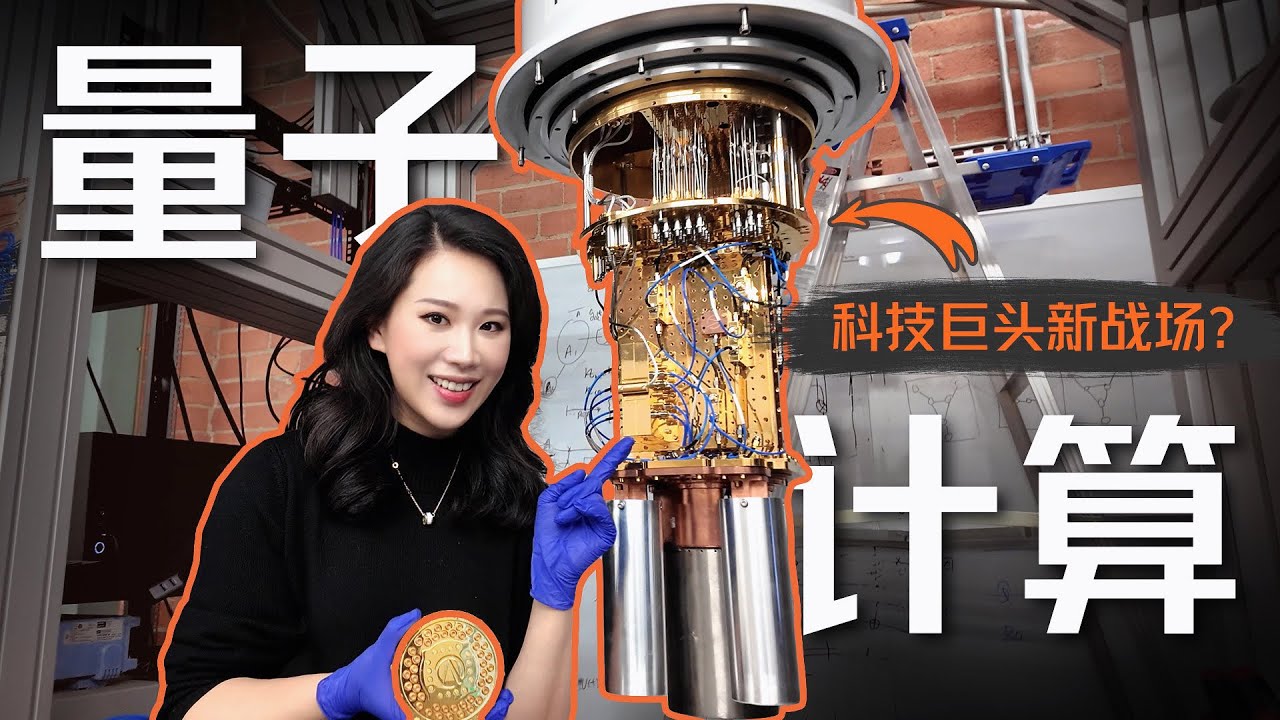
硅谷101 走进硅谷一家量子计算实验室,亲手帮忙装机。围绕谷歌 Willow 的"低于阈值"突破、五家巨头(IBM/Google/Amazon/Nvidia/Microsoft)截然不同的技术路线、加密货币和 AI 受到的冲击,以及最现实的金融与材料应用,给出一个不靠口号、靠路线图的判断:**业内大多数人会认同的实用化时间点是 20 年左右**。
Lex Fridman 与 Anthropic 的三位核心人物同场对谈: CEO Dario Amodei 讲 scaling 假设、RSP 的 if-then 结构、"race to the top" 战略与 Machines of Loving Grace; character lead Amanda Askell 讲 Claude 的性格工程、sycophancy 与最优失败率; interpretability 共同创始人 Chris Olah 讲 features、circuits、superposition 和那个著名的 deception feature。三人从战略、产品、研究三个层面拼出 Anthropic 对 "AI inside" 的完整 stereo view。
Max Krummel 把免疫系统解释为遍布全身的可调感知网络:它不仅攻击病原体,也参与共生、修复、衰老与器官稳态。对谈进一步梳理胸腺、睡眠、脑—免疫记忆、自身免疫与疫苗争议,并持续区分已知机制、可检验假设和仍缺少的数据。
Andrew Huberman 在听众问答中,把晚间训练、晨光、记忆、嗅觉、生育、围绝经期与手术恢复放回具体生活约束中讨论。 后半段进一步说明,健康优化应保持自适应,而寻找热情需要持续输入、结构化行动、学徒期与基本功。
Alan Castel 从记忆的重构性、错误驱动学习与健康遗忘讲起,解释为什么熟悉感和高置信并不等于准确。 对谈进一步讨论认知老化、运动和平衡、主观年龄、好奇心、目的感与社会连接,给出一套跨年龄的学习与适应视角。
Dr. Rhonda Patrick joins Andrew Huberman for a comprehensive deep-dive into evidence-based health protocols covering exercise (VILPA, strength training), gut-inflammation cascades, omega-3 as her top supplement, cortisol management, intermittent fasting mechanics, creatine for brain health, and her full supplement stack with dosages and rationale.
Dr. Marc Breedlove explains how prenatal testosterone shapes sexual orientation, the fraternal birth order effect, gay rams, brain sexual dimorphisms, and why sexual orientation is not a choice — through the lens of decades of biological research.
Emotion scientist Dr. Dacher Keltner explains the neuroscience of awe — how shifting perception from "small to vast" triggers measurable health benefits including reduced inflammation, less pain, and better brain health years later. The conversation spans the expanded taxonomy of 20 facial expressions, the role of teasing and embarrassment in group bonding, the loneliness epidemic, music as the fastest path to collective consciousness, and practical awe design for cities and daily life.
Dr. Richie Davidson, a pioneer in meditation neuroscience, explains how just 5 minutes of daily meditation for 30 days produces measurable reductions in depression, anxiety, and inflammation. He introduces the concept of "the lactate of the mind" — the initial anxiety of meditation as an adaptation signal — and presents his four-pillar framework for human flourishing: awareness, connection, insight, and purpose.
Peter Godfrey-Smith 从章鱼与人类约 5.7 亿年的演化距离出发,把心智拆成自我维持、信息处理与体验等可渐变维度。 对谈进一步讨论章鱼的分布式神经系统、体验剖面、Claude 的 workspace-like 结构、模拟假说,以及脑节律为何可能不是无关噪声。 最终问题落在一个开放方向:意识也许依赖网络计算与大尺度物理动力学的共同作用。
Ralph Adolphs 从功能角度拆解情绪:情绪如何在反射与计划之间组织行为,为什么情绪状态能独立于记忆持续,以及主观感受为何不应成为研究动物或 AI 情绪的唯一标准。对谈也追踪了情绪调节、读脸误区、杏仁核病例、身体地图、社会注意与任务切换,并严格区分个案经验、研究证据与尚待验证的假设。
Tim Maudlin 从 1905 年光电效应讲到 1935 年 EPR,以零背景可跟随的方式重建波函数、Born 规则、完备性与局域性的争论。 这期的重点不是重复量子力学奇观,而是精确说明 EPR 如何从无远距作用推出量子描述不完备,以及为什么决定论是推论而非前提。
David Wallace 与 Emily Adlam 围绕波函数、多世界解释与关系量子力学展开正面交锋:争点不是量子力学是否成功,而是分支概率能否支撑我们对它的经验确认。 对谈进一步延伸到量子引力、可检验的坍缩模型、科学实在论与主体间性,呈现两种互相尊重却风险排序相反的哲学物理学方法。
Adam Brown 从光速上限与等效原理出发,逐步解释为何重力应被理解为弯曲时空中的惯性运动,并用 Schwarzschild 解拆开事件视界、时间膨胀与能量红移。对谈进一步追踪黑洞的多通道证据、1919 年日食验证,以及少量经验线索、理论一致性与 AI 科学探索之间的边界。
Philip Mannheim 从一般协变与具体场方程的区别出发,解释共形引力为何会产生 1/r 之外的线性势,并用局部与宇宙学贡献重新描述星系旋转曲线。 对谈进一步讨论动态质量、宇宙学常数、PT/CPT 对称下的 ghost 问题、零范数引力激发,以及 CMB、结构形成和透镜仍然构成的验证边界。
Simon Saunders 从特殊相对论的无全局现在出发,解释块宇宙为何能表示先后与因果,却难以容纳我们感到的时间流逝。对谈进一步连接意识的时间局部性、量子场论中的定位难题、Everett 分支、有限频率主义与 Born 规则。
Neil Turok 在这期 Theories of Everything 长访谈里提出:量子引力或许根本不需要弦、额外维度或多元宇宙。 他和博士生 Sam Bateman 把 1977 年 Stelle 的二次引力理论,配合一个对玻恩规则的微小推广(让概率定义在 Klein 空间而非希尔伯特空间里), 绕过了高阶导数理论的两个 175 年老咒语:奥斯特罗格拉茨基不稳定性和负范数"幽灵态"。
Professor Renato Renner of ETH Zurich explains his no-go theorem showing quantum theory contradicts itself when applied to observers who are themselves quantum systems. The conversation covers three incompatible assumptions (universality, consistency, single outcomes), a gravity-based escape route involving reference frame loops, the black hole information paradox, and why choosing an interpretation of quantum mechanics is ultimately an emotional decision.
Harvey Friedman — the youngest professor in recorded history (a Stanford appointment at 18) and the author of the last paper Kurt Gödel sponsored for PNAS — gives his first podcast. The conversation moves from Gödel's two often-conflated incompleteness theorems to Friedman's 60-year program to push incompleteness out of set-theoretic exile and into the kind of finite, combinatorial mathematics that working mathematicians cannot dismiss. Along the way: TREE(3), the divine consistency proof, embedded maximality, and a quiet meditation on AI as a form of immortality.
Michael Nielsen and Dwarkesh Patel explore how scientific progress actually happens — from the messy reality of falsification to hostile verification loops that mislead for decades. They discuss why the tech tree is far vaster than we realize, why alien civilizations would develop radically different technologies, and what this means for AI-accelerated science.
Dr. Jenny Wagner explains why gravitational lensing data only constrains local properties of mass distributions, making every grand dark matter map a model-driven extrapolation. She argues the inverse problem approach — reasoning from data to necessary models — could reshape cosmology and the scientific method itself.
Professor JB Manchak proves that no amount of empirical data — even from every point in the universe — can determine its global structure. He introduces Heraclitus spacetimes (maximally asymmetric universes where local structure determines global structure), and draws surprising parallels between cosmic underdetermination and Zen Buddhist non-self.
基于约 6,000 名技术行业从业者的年度调查,Noam Segal 解释了 AI 如何同时放大能力、重写职业身份并推高倦怠。对谈还拆解了效率与质量的背离、初级职业阶梯的松动、经理的重要性,以及个人和组织可以采取的具体行动。
Becca Tarnas traces the cumulative parallels between Carl Jung’s Red Book and J.R.R. Tolkien’s visionary writings, then asks what those parallels imply about imagination, archetypes, and creative participation. The conversation also examines active imagination as a practice, the boundary between imaginal experience and psychosis, and the grounding needed to bring inner encounters back into shared life.
Anthony Kaldellis 重新把所谓拜占庭帝国放回罗马国家的连续历史中,并从税收、军队、请愿、公共共识与身份认同解释它为何能在极危险的地缘环境中延续千年。 对谈进一步区分短促的外部冲击与长期的内部复原机制,追踪西部崩溃、基督教化、Justinian、阿拉伯征服、11 世纪危机和 14 世纪最终失去韧性的过程。
历史学家 Lars Brownworth 用 1.5 小时把 793–1066 年的 Viking 时代拆给你看: 从 Lindisfarne 那场让欧洲修士相信"世界末日来了"的袭击,到长船 70–120 mi/day 的恐怖速度, 再到 Ragnar、Valhalla、Berserkers、Leif Erikson 的 Vinland、东到 Constantinople 的 Varangian Guard。最后落到一个反差:这个 destroyer 民族只用了三代人就变成 builder, 造出了 Normandy、Kievan Rus 与现代欧洲的雏形。