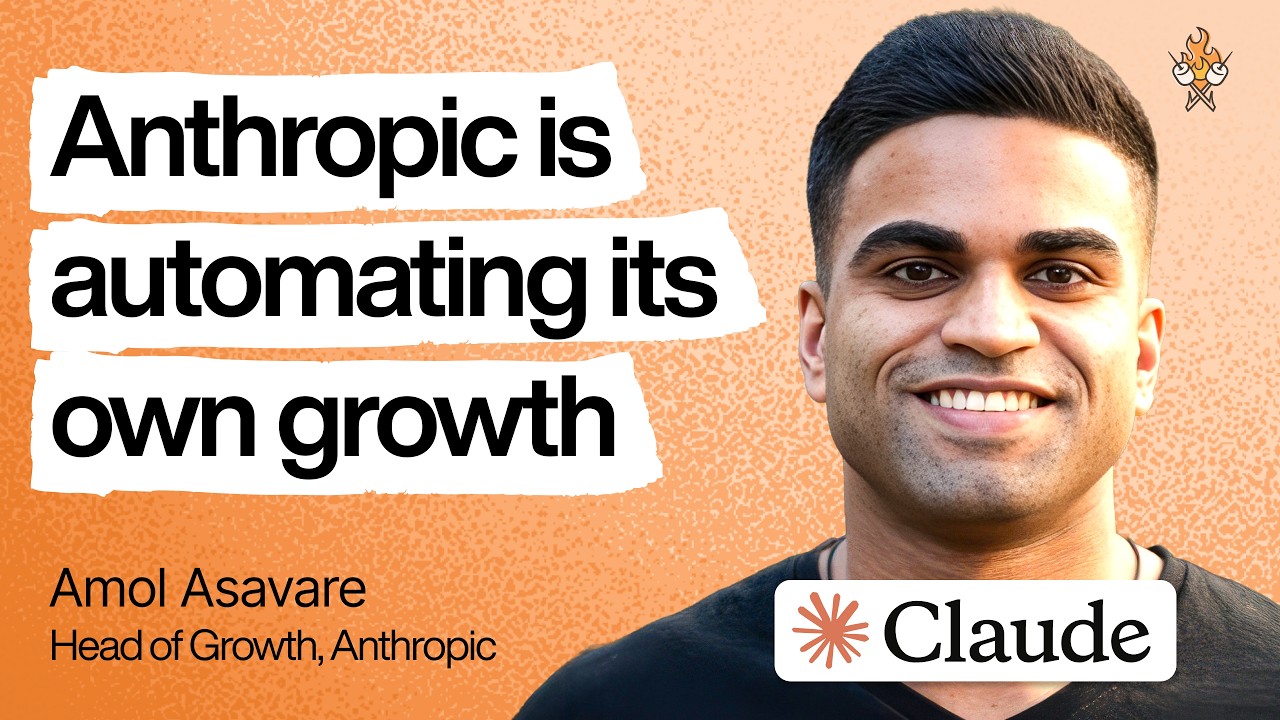
Anthropic 增长负责人:"Claude 正在自己驱动增长"
Amol Avasari · Head of Growth, Anthropic
Anthropic 增长负责人 Amol Avasari 分享了公司 14 个月内从 $1B 到 $19B ARR 的增长故事、 用 Claude 自动化增长实验的 CASH 项目、PM 角色在 AI 时代的演变,以及他从严重脑损伤中 恢复并成为顶级增长领导者的个人经历。
产品经理成长与 AI 产品工具实战
Anthropic 增长负责人 Amol Avasari 分享了公司 14 个月内从 $1B 到 $19B ARR 的增长故事、 用 Claude 自动化增长实验的 CASH 项目、PM 角色在 AI 时代的演变,以及他从严重脑损伤中 恢复并成为顶级增长领导者的个人经历。
Simon Willison (co-creator of Django, coined "prompt injection") talks with Lenny Rachitsky about the November 2025 inflection point when coding agents crossed a reliability threshold, the dark factory pattern where nobody writes or reads code, and the lethal trifecta of AI security risks.
Claude Code 一周岁。它的负责人 Boris Cherny 复盘从"内部 demo 只收到 2 个赞" 到"GitHub 4% 公开 commits、Anthropic 内部人均生产力 +200%"是怎么发生的, 并解释为什么他认为 coding 已经被解决、下一站是让模型自己想做什么、 以及怎么"为 6 个月后的模型"造产品。
Ash and Kiriti share hard-won lessons from 50+ AI product deployments across OpenAI, Google, and Amazon. They break down why AI products are fundamentally different from traditional software (non-determinism + agency-control tradeoff), introduce their CCCD framework for iterative AI development, and argue that pain — not speed to market — is the real competitive moat.
Lovable 首位官方 Vibe Coding 工程师 Lazar Yavanovich 分享了一套完整的职业 vibe coding 方法论: 从平行构建 5 个项目获取 clarity,到 PRD 文档系统和 4x4 调试框架,再到为什么设计品味和判断力 将成为 AI 时代最稀缺的技能。
OpenAI API 与开发者平台工程负责人 Sherwin Wu 分享了 AI 如何重塑软件工程、管理哲学、 创业生态,以及未来 12-24 个月模型能力和平台方向的展望。
Jenny Wen, head of design for Claude at Anthropic (previously director of design at Figma), discusses how AI is fundamentally transforming the design profession. She argues the traditional design process is dead, replaced by two modes: execution support (pairing with engineers) and short-horizon vision-setting. Topics include building trust through speed, three hiring archetypes for the AI era, the legibility framework, and why design managers need IC rotations.
Claire Vo shares her journey from vocal OpenClaw skeptic to running 9 specialized agents across 3 Mac Minis. She explains how management skills translate directly to agent management, demonstrates real use cases from sales automation to family logistics, and provides practical setup and security advice.
Cisco CPO/President Jeetu Patel discusses why AI is essential for humanity's survival given declining birth rates, how Cisco connects GPU clusters across data centers as critical AI infrastructure, and shares his six-part framework for building great companies.
Marc Andreessen argues AI arrives at a miraculously well-timed moment — just as productivity growth has stagnated for 50 years and global population is declining. He unpacks the "Mexican standoff" between PMs, engineers, and designers, explains why task loss matters more than job loss, and makes the case for indeterminate optimism.
Applied Intuition CEO Qasar Younis 首次公开访谈。他认为 AI 真正的影响不在软件开发, 而在农业、矿业、建筑和卡车运输等物理行业。对谈涵盖 Physical AI 路线、 中国竞争的误读、创始人的沉默哲学、以及一家近十年未花过融资的 $15B 公司如何运营。
Jason Lemkin shares how SaaStr went from a 10-person sales team to 1.2 humans and 20 AI agents with the same revenue output. He covers which sales roles will go extinct, how to train agents in 30 days, and why the future belongs to $250K SDRs managing 10 agents instead of 10 people.
Jessica Fain, VP Product at Webflow and former chief of staff to two CPOs at Slack, unpacks the art and science of influencing executives — from tactical meeting techniques to building long-term trust. She argues influence is the single highest-leverage skill for product leaders, especially as AI commoditizes execution.
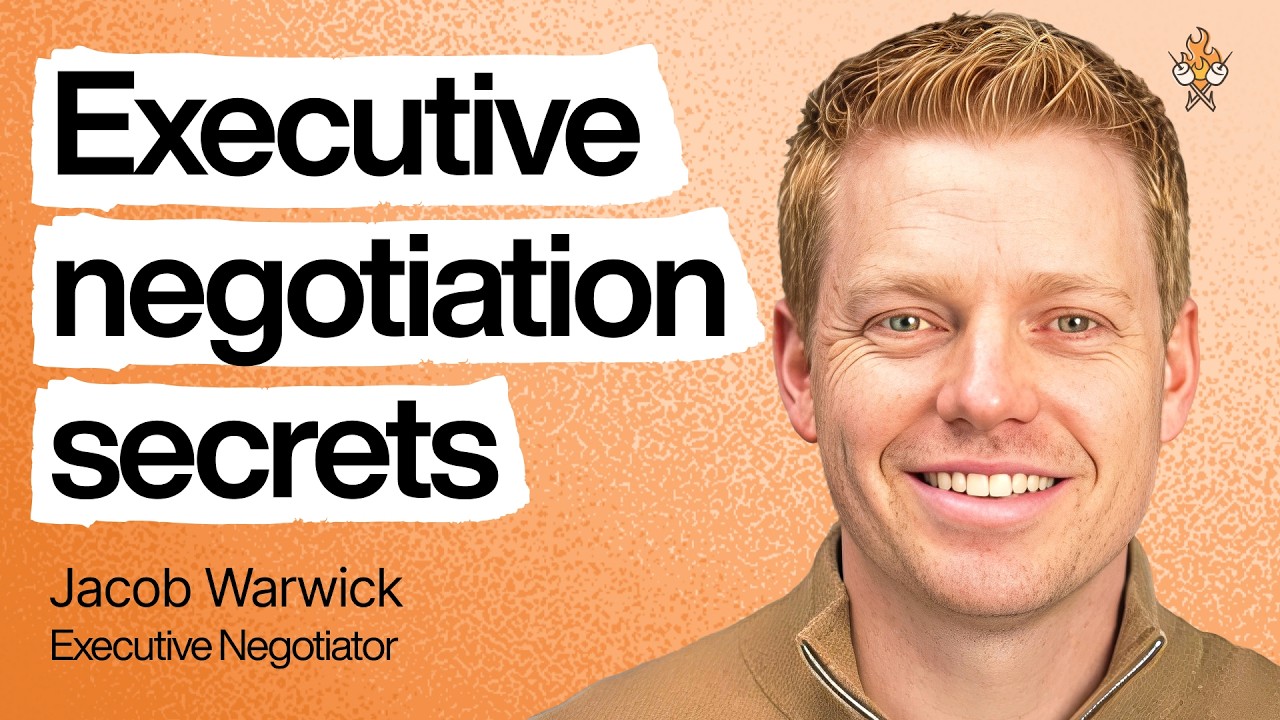
Jacob Warwick, a professional negotiator who has helped clients secure over $1 billion in additional comp, shares the psychology and tactics behind compensation negotiation. From simple pushbacks that yield 20% more to strategic approaches averaging 40% movement, he reveals how information asymmetry, emotional intelligence, and creative deal structures can transform careers.
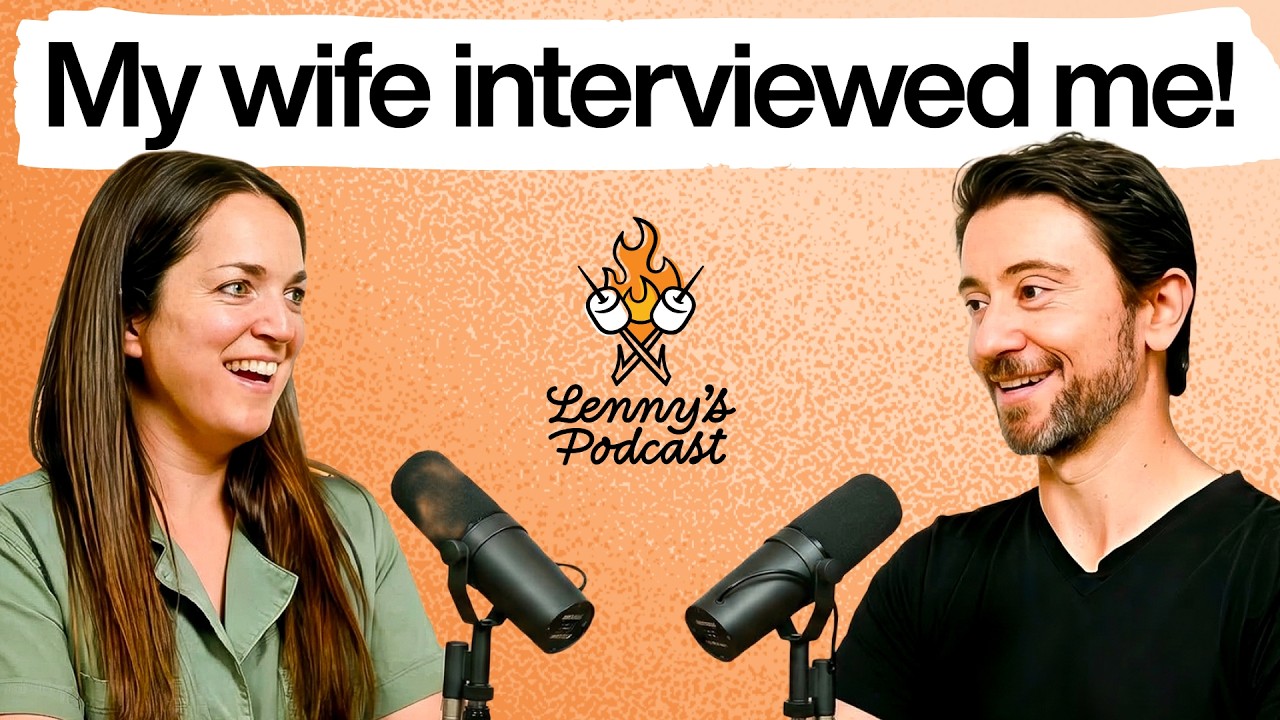
Lenny Rachitsky's wife Michelle Rial turns the tables and interviews him about how he went from an Airbnb PM to building a 1.2 million subscriber newsletter and top-10 tech podcast. He shares never-before-told stories including a psychedelic experience that gave him confidence to write, the fraud crisis that nearly broke his business, and why he revises each post ~50 times.